A person walking across a nearby pavement moves farther across your picture during an exposure than someone walking towards you from the other end of the street. That difference explains why one shutter speed can look crisp in one photograph and blurred in another. Begin by deciding whether the face must be sharp, whether moving feet may blur, or whether the whole figure should suggest movement.
For an adult walking at an ordinary pace, try around 1/250 second as an initial test. This is a working starting point, not a threshold that freezes every walker. A nearby subject crossing the frame, a swinging hand or a tightly cropped face may need 1/500 second or faster. Review the part of the person that matters instead of judging the thumbnail on the rear screen.
Keep shutter speed separate from focus
Use continuous autofocus when the distance changes and select an area that stays on the person. If the camera focuses on a sign behind them, a faster exposure will only produce a sharper sign. Check several frames at the same magnification: directional streaks on clothes suggest motion, whereas an entirely soft person with a crisp background suggests misplaced focus.
In shutter-priority mode, watch the aperture or exposure warning as the person enters shade. The camera cannot keep opening the lens after it reaches its maximum aperture. Auto ISO can provide additional flexibility within the limits you set. In manual exposure with fixed ISO, changing to a faster shutter requires another exposure change if you want the same brightness.
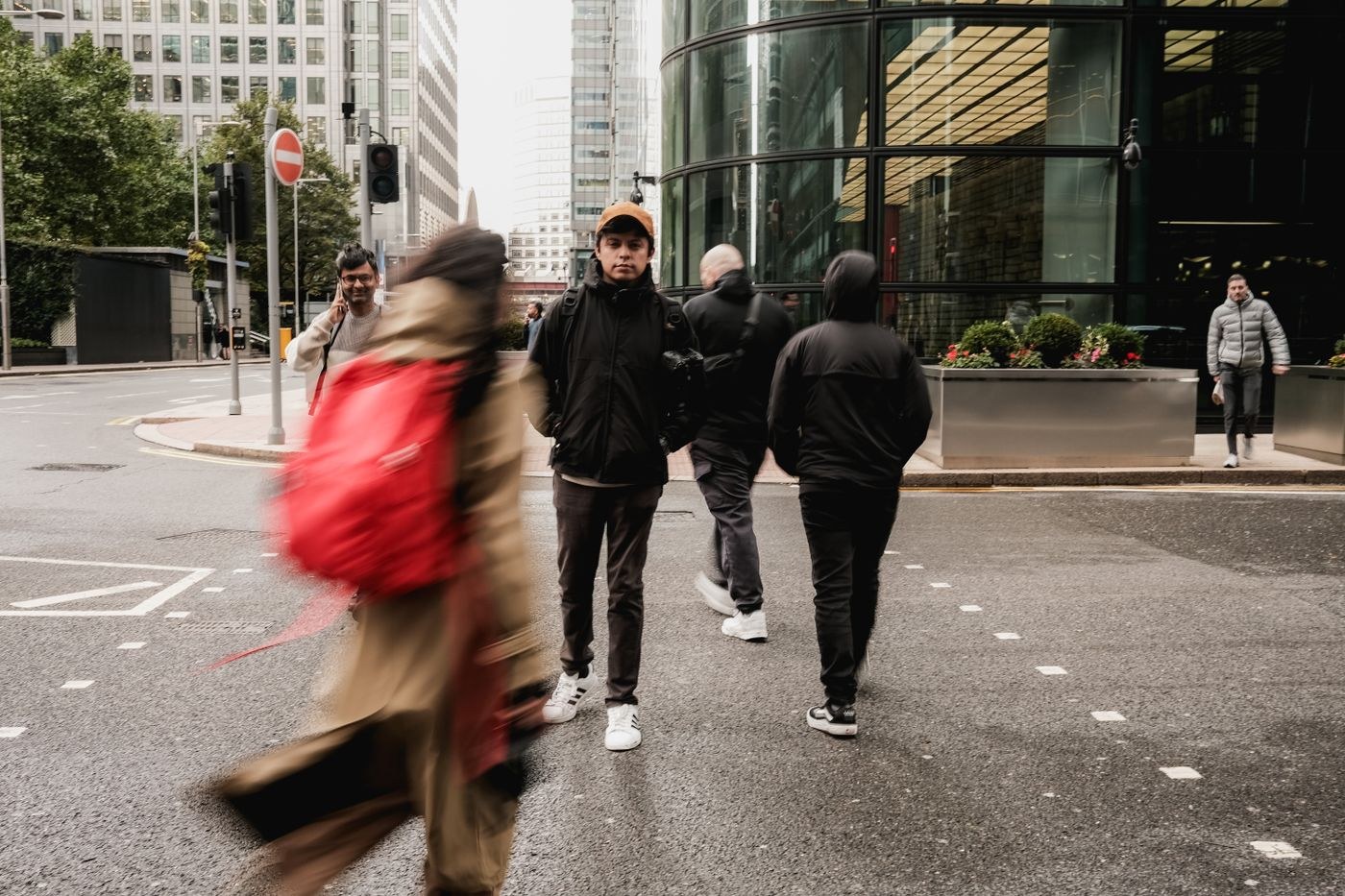
Photograph one short sequence at your starting speed, then one at a faster speed with brightness kept similar. Compare the eyes, coat edges and shoes. You may find that the face is already clear while the feet remain slightly blurred. That can describe walking more naturally than freezing every detail, especially when the stride is readable and the background is quiet.
Choose the background before the walker reaches it. A clear patch of wall makes small movements easier to read than a busy row of shop signs. Leave space in the direction of travel unless the picture has a reason to feel constrained. If you are photographing a friend, agree on a short route and repeat it rather than asking them to stop mid-step.
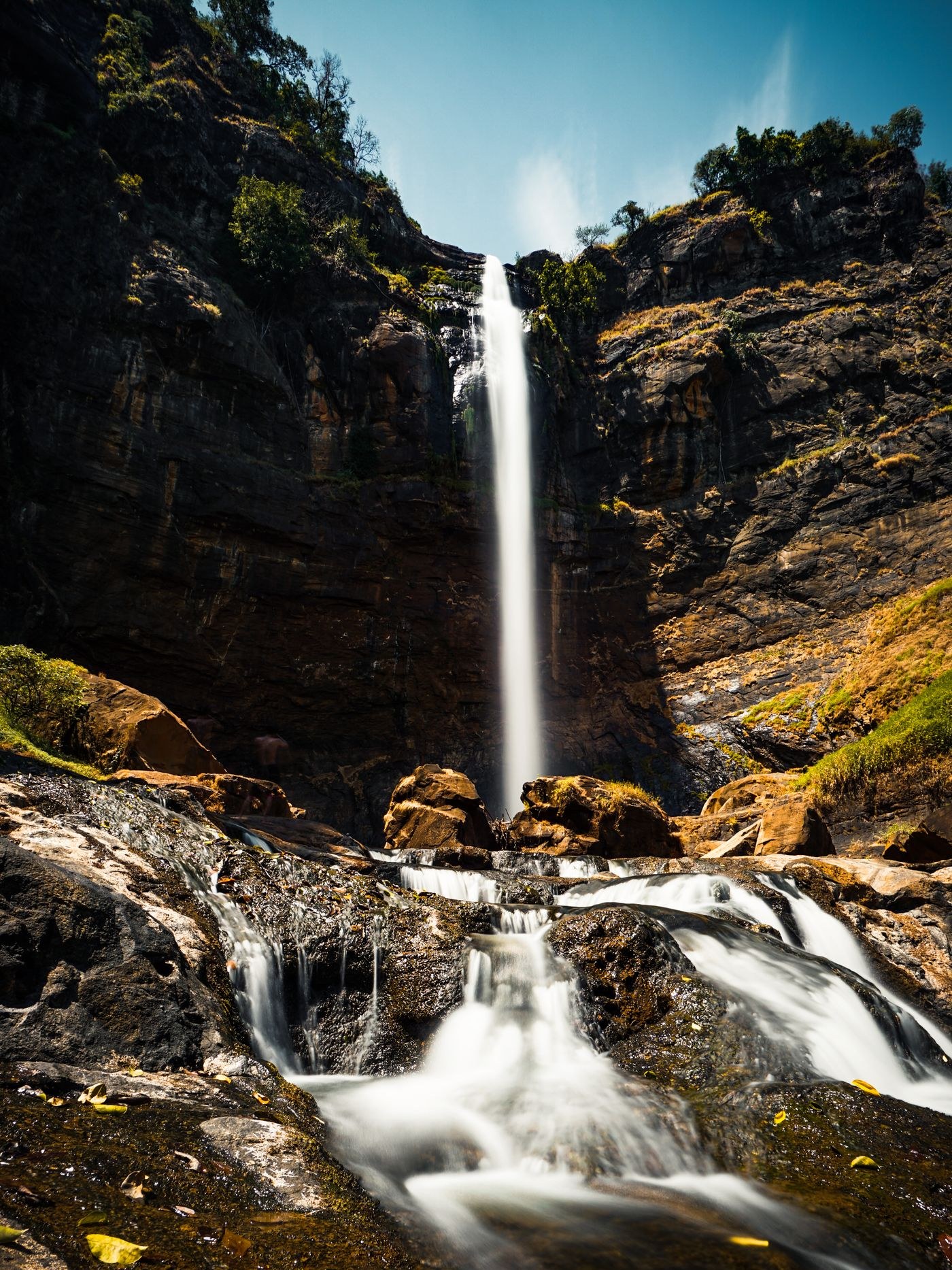
Once you have a reliable result, try a deliberately slower exposure while holding the camera still. Keep a doorway or kerb sharp and let the person blur against it. This is a different intention from a failed attempt to freeze motion. The stationary reference helps the viewer understand which part of the scene is moving.