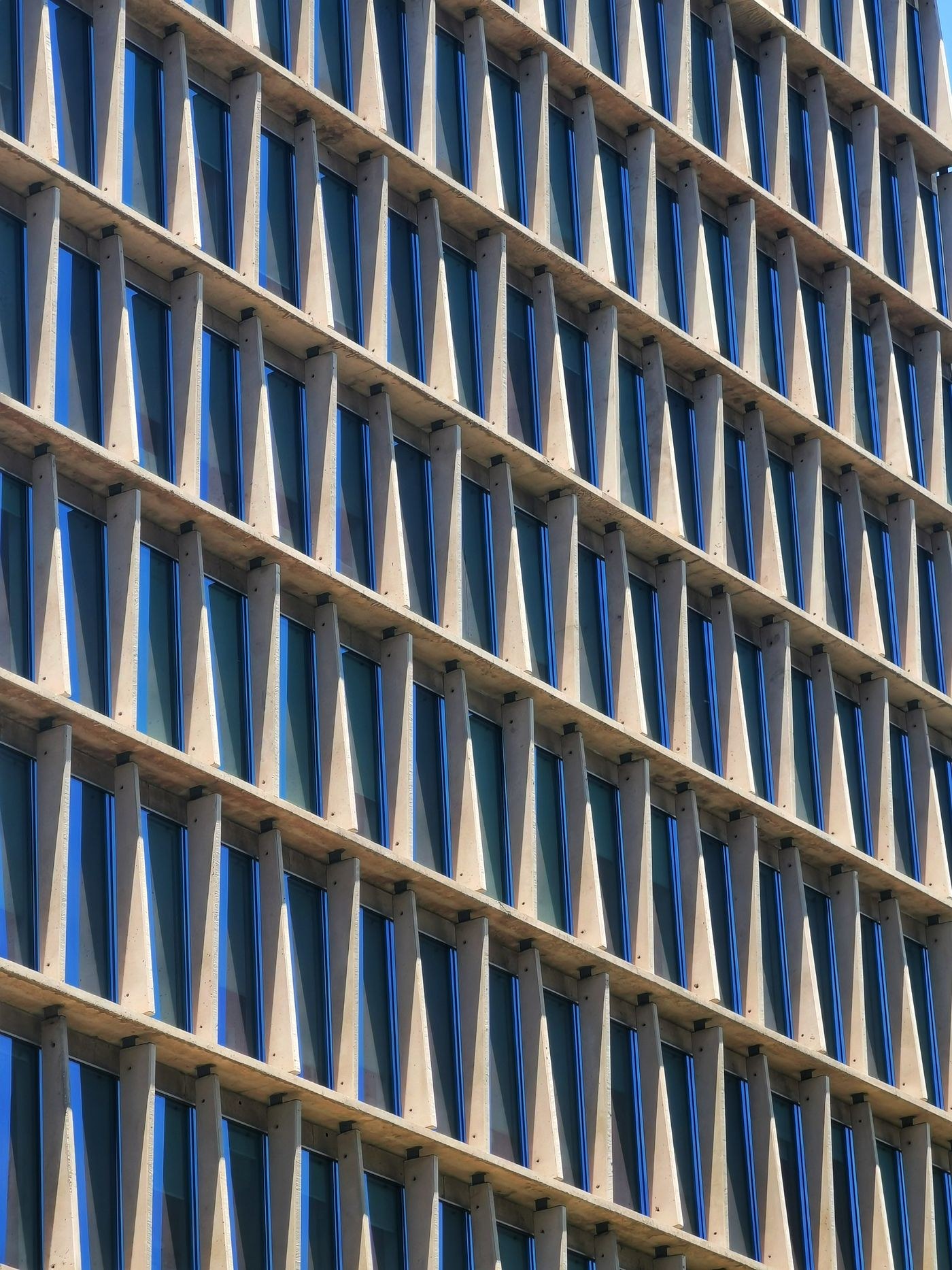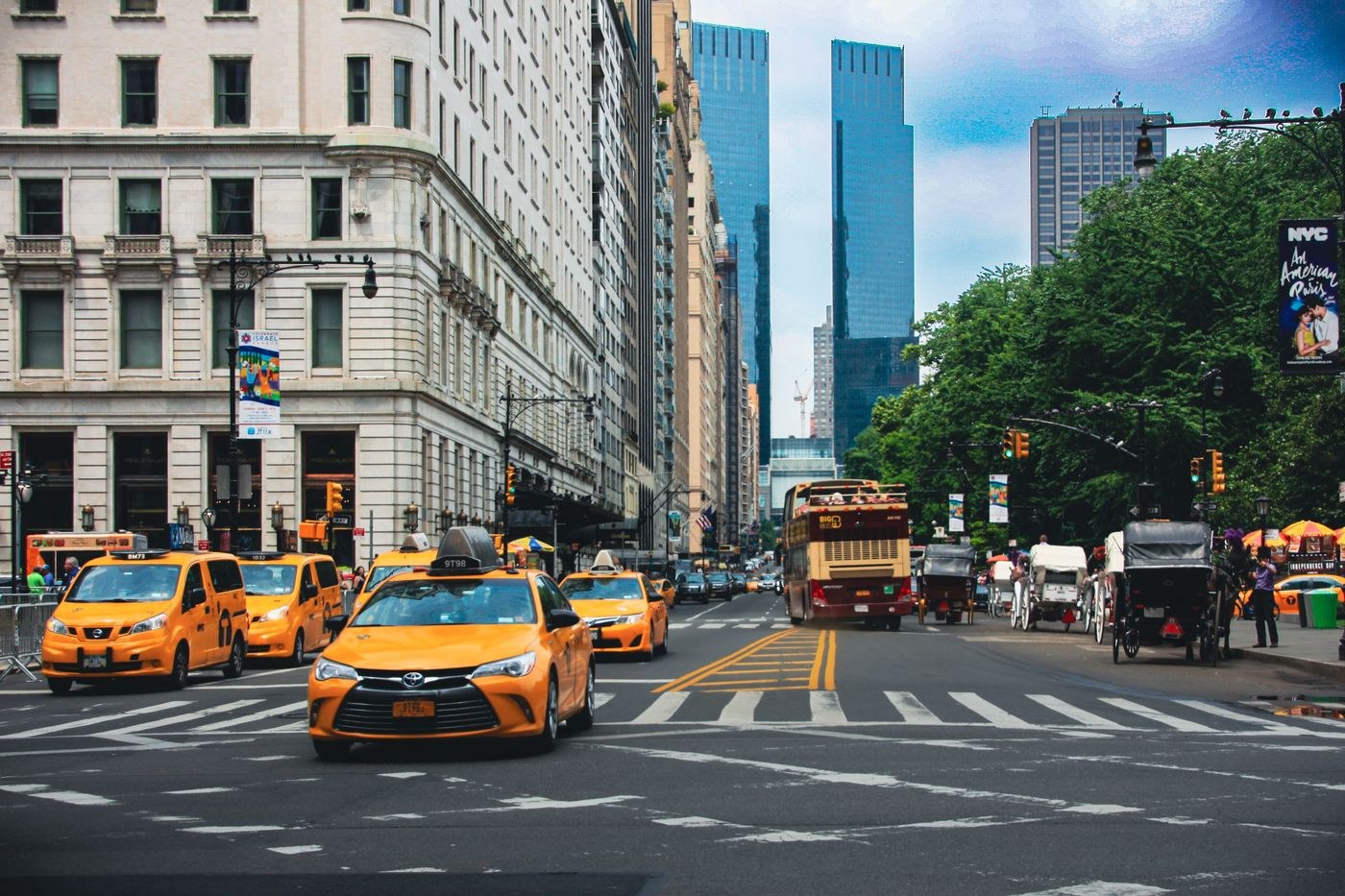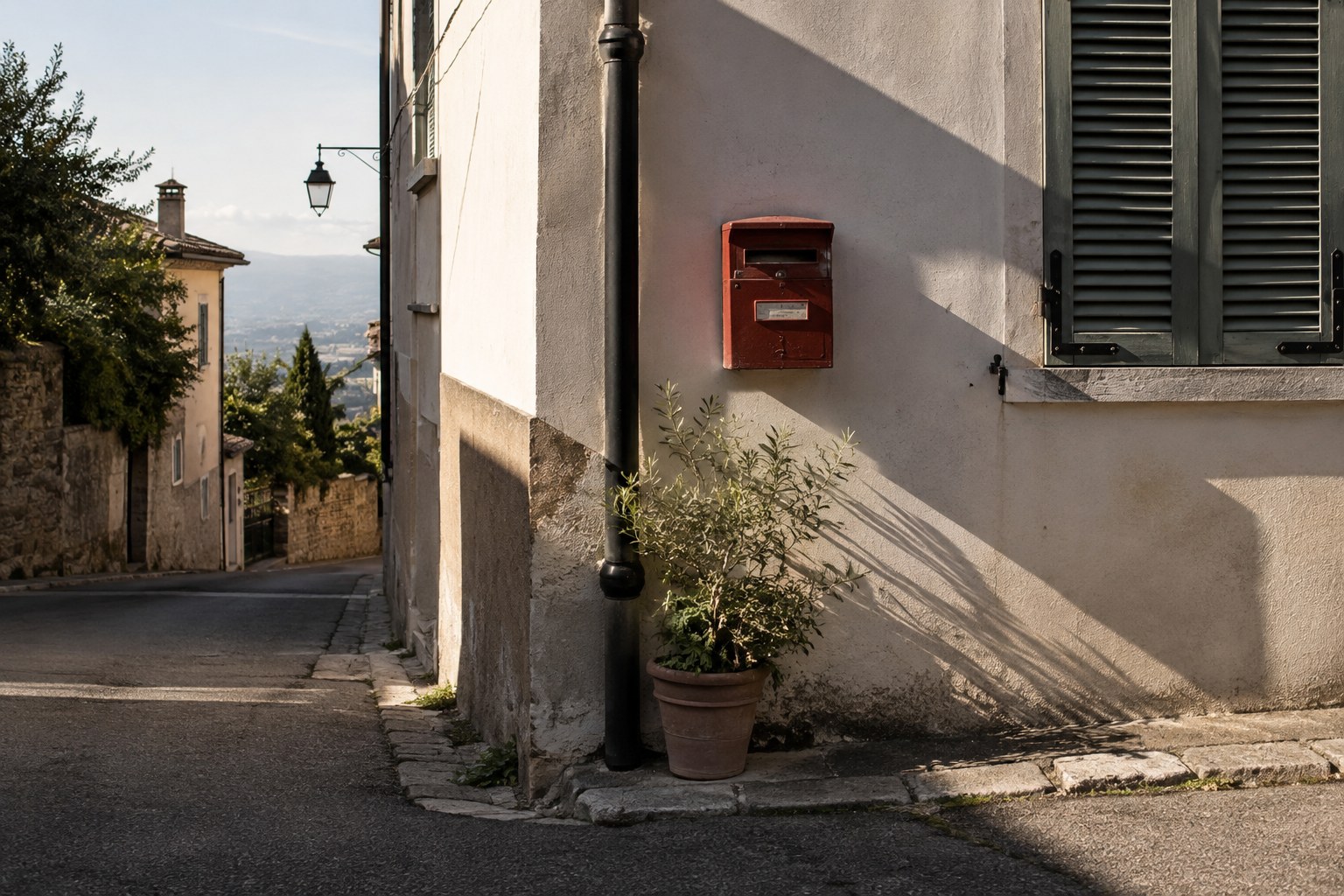
Stop at one safe position and describe what is in front of you without using the word interesting. There may be a red door beneath a pale wall, a repeated row of windows, or a tree shadow crossing a sign. These descriptions identify visible relationships. They give you something to frame, whereas a general search for an attractive street can keep you walking without making a decision.
Choose one relationship and exclude what does not support it. For the red door, the amount of surrounding pale wall may matter more than showing the complete building. For repeated windows, a single open window may provide the interruption. Move a little left or right before changing lenses; often a parked vehicle or foreground pole is the only obstacle to a clear arrangement.
Wait for a useful change
Some frames need a moving element, while others improve when people leave. Decide before waiting. If a pedestrian would establish scale, choose the part of the pavement where their outline will separate from the background. If the photograph is about an empty doorway, wait for it to clear instead of making a series of almost identical obstructed frames. Respect personal space and any request not to be photographed.
Light can be the subject even when the objects are commonplace. A narrow patch of sun may connect a wall and the pavement; overcast light may reveal faded paint without strong shadows. Make an exposure that preserves the detail important to that relationship. There is no need to brighten every dark corner if the shadow is part of the composition.
Take a wider contextual frame and a closer interpretation, then compare them on the screen. The closer version is not automatically stronger. It may remove the clue that explains why the objects belong together. Look for accidental edge fragments, bright litter and signs cut through at awkward places, and adjust the viewpoint if these compete with the subject.
For a short exercise, remain on one block and make only five considered photographs. Give each a plain descriptive title afterward, such as yellow chair under blue window. If the title describes a relationship visible in the image, you have moved from recording a location to making a specific observation. You can repeat the exercise elsewhere without repeating the photographs.