Photographing outside
Find a subject on an ordinary street
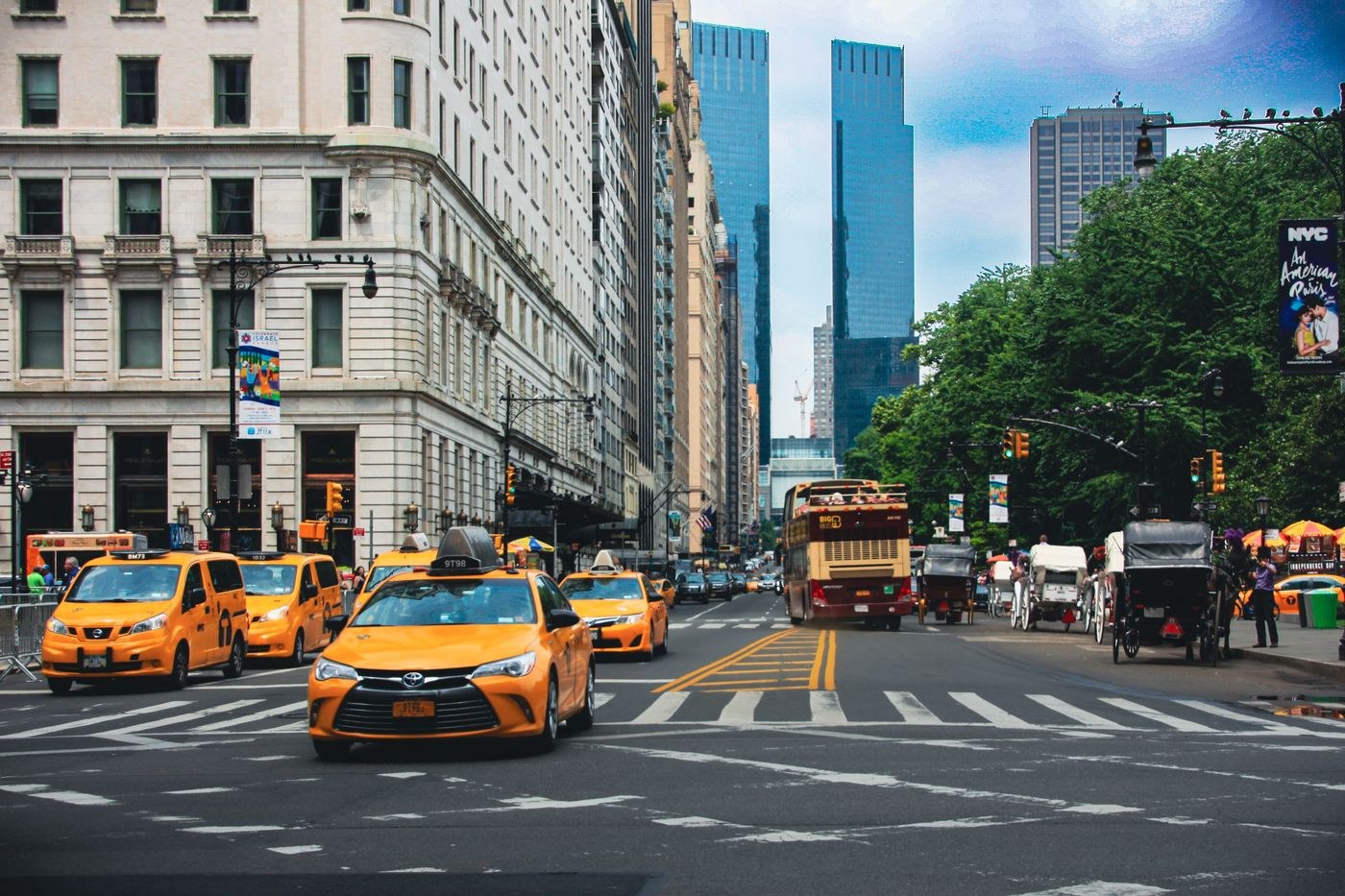
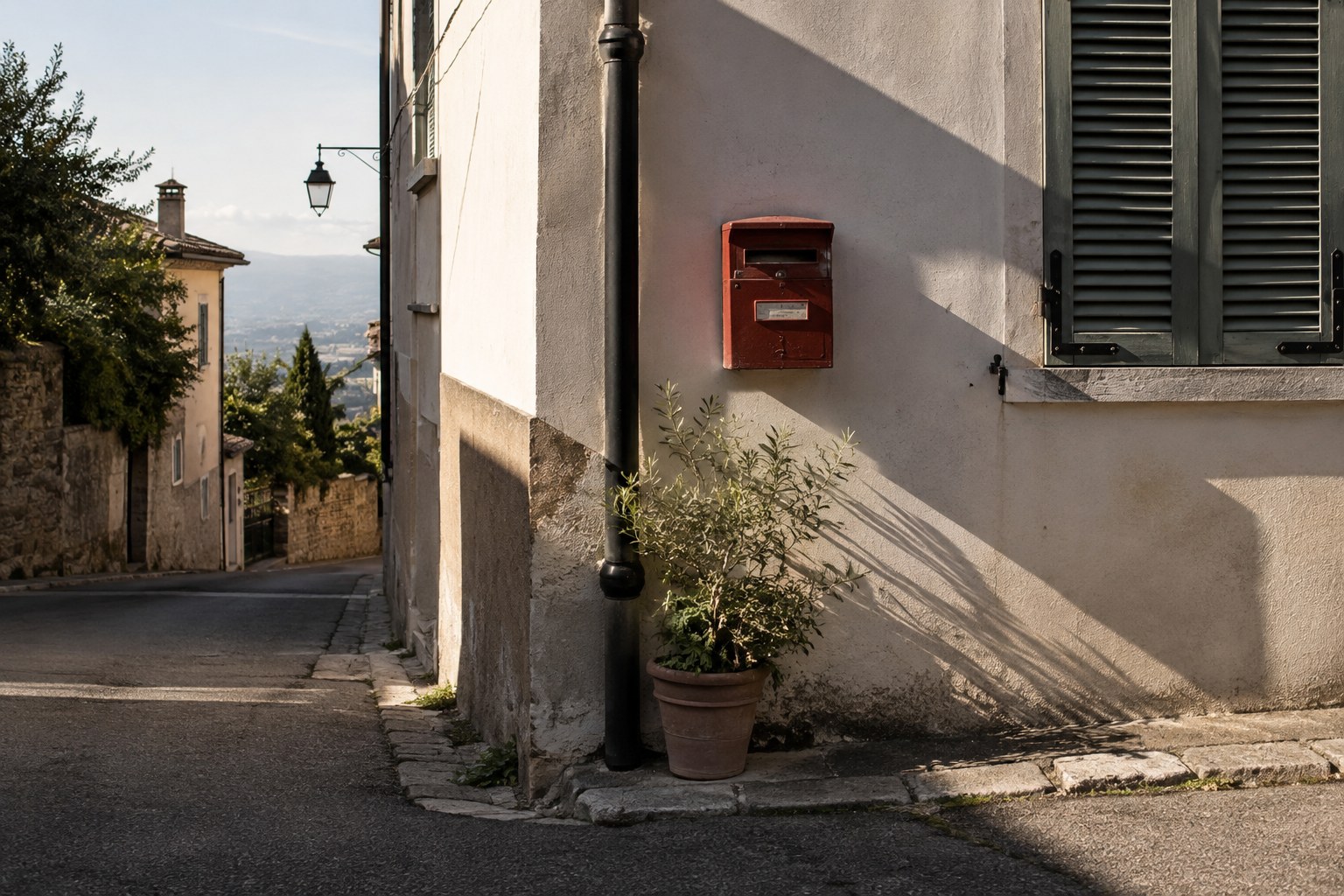
An ordinary street becomes photographable when you choose a relationship to observe instead of waiting for an exceptional landmark.
Journal / 024
Search the journal and explore individual questions about photography.
24 articles
Photographing outside
An ordinary street becomes photographable when you choose a relationship to observe instead of waiting for an exceptional landmark.
Photographing outside
Separate a tilted horizon from converging verticals before trying to straighten an architectural photograph.
Photographing outside
Following one colour gives a photo walk a clear constraint, but a coherent series needs more than repeated coloured objects.
Photographing outside
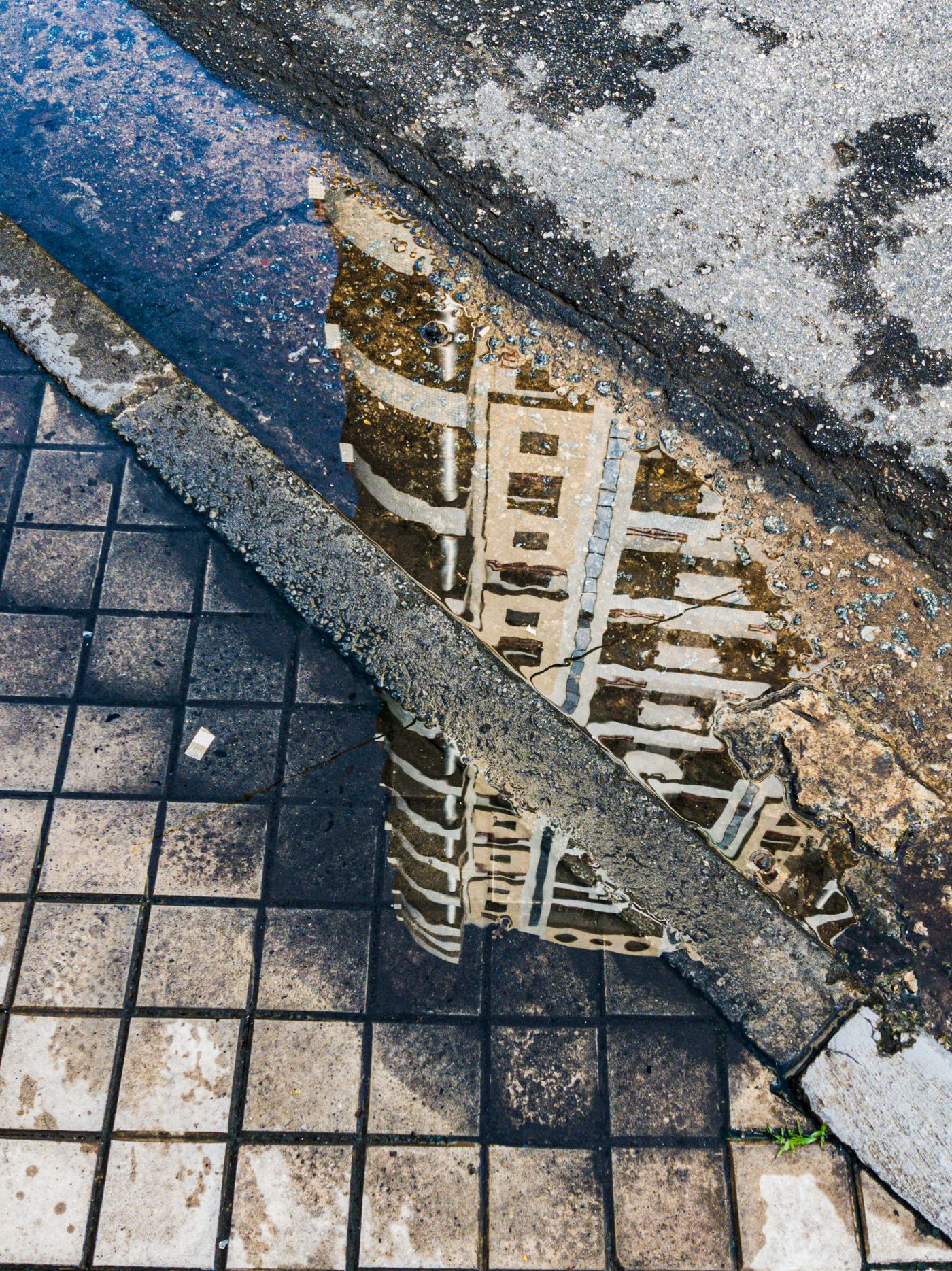
A small puddle can hold an entire façade. Camera height, focus and a clear edge determine whether the reflection becomes a subject or just a bright patch.
Photographing outside
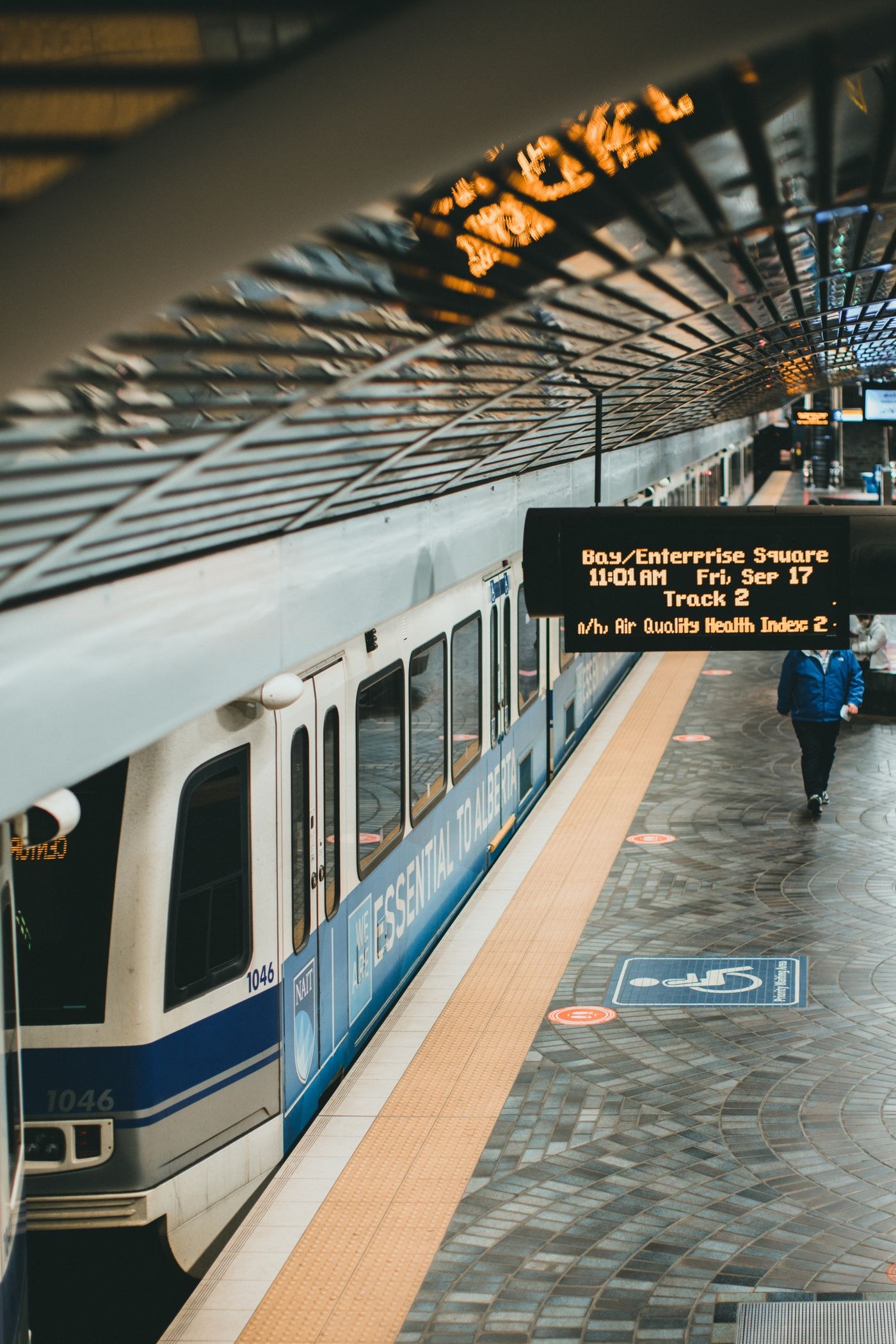
Choose a stationary viewpoint and a modest photographic aim so that a station's movement does not dictate every decision.
Photographing outside
Objects, surfaces and arrangements can describe a market without relying on a continuous stream of close portraits.
Photographing outside
A travel series feels connected when its photographs share an intention, while still changing scale, pace and subject.
Photographing outside
Flat coastal light removes strong shadows, leaving shape, texture and tonal separation to carry the photograph.
Photographing outside
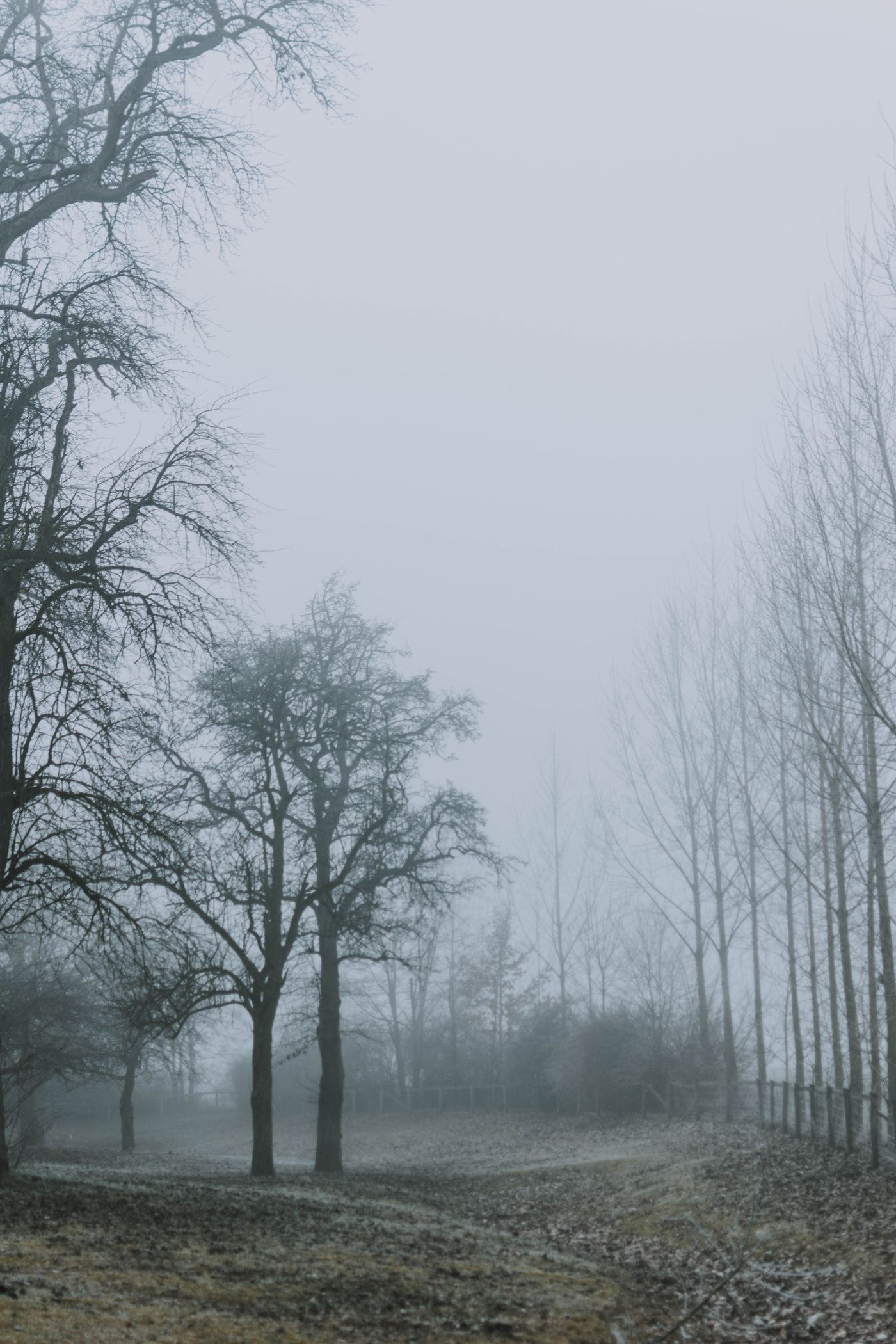
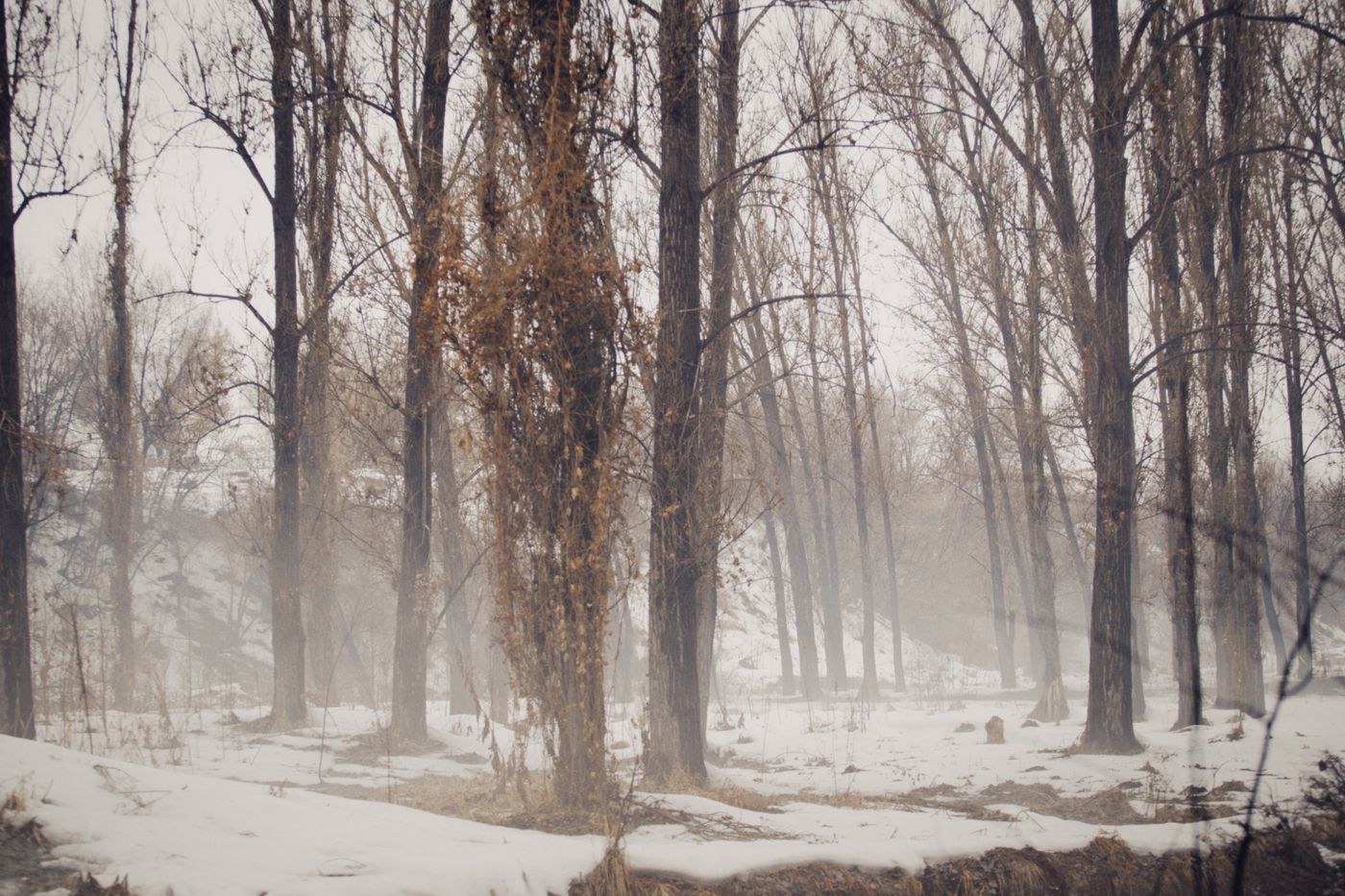
Fog reduces distant detail, but a woodland photograph still needs a clear foreground structure and a deliberate focus point.
Photographing outside
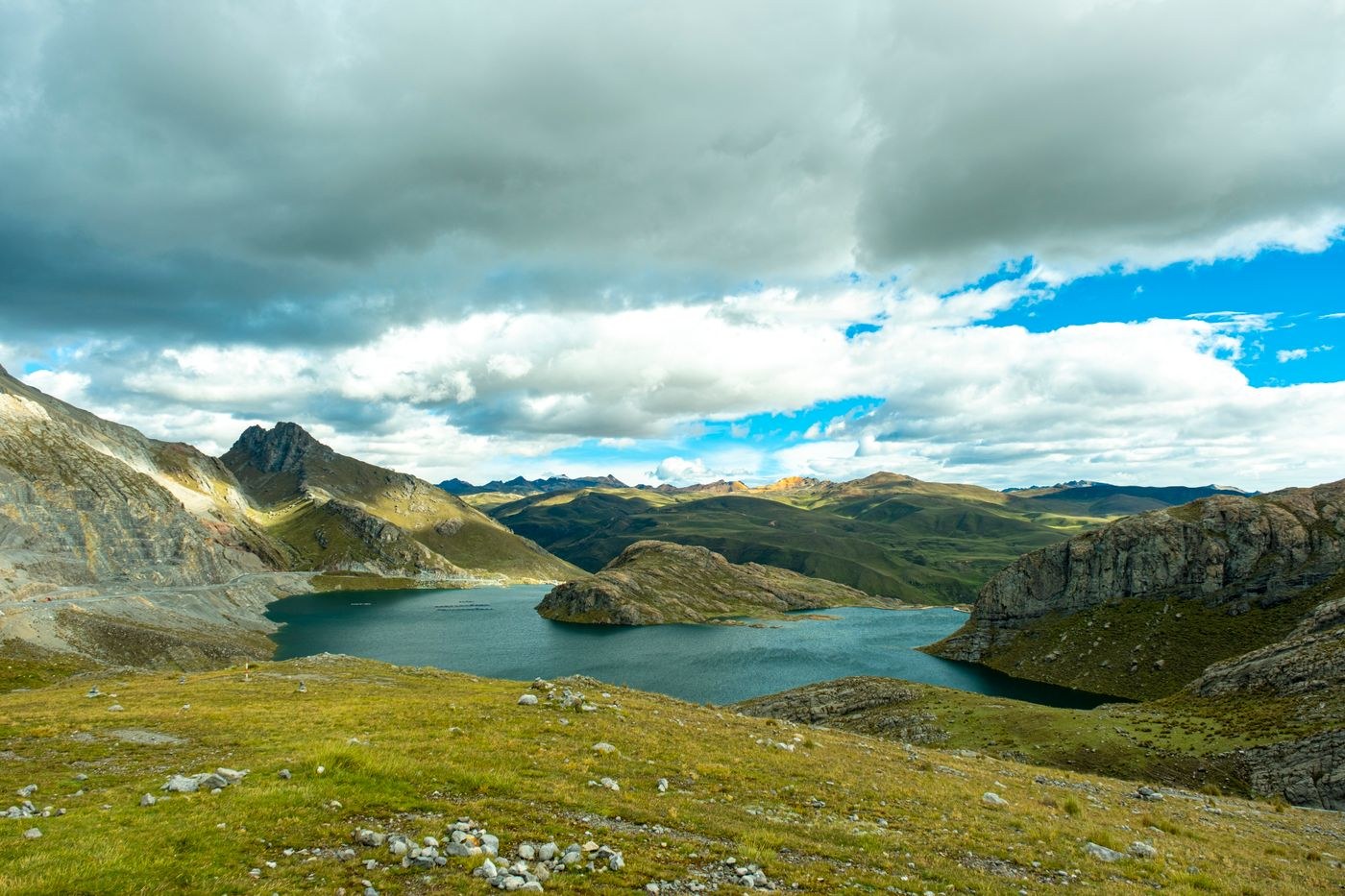
Changing cloud cover can redraw a mountain scene. Keep the composition ready and watch where light moves across the terrain.
Photographing outside
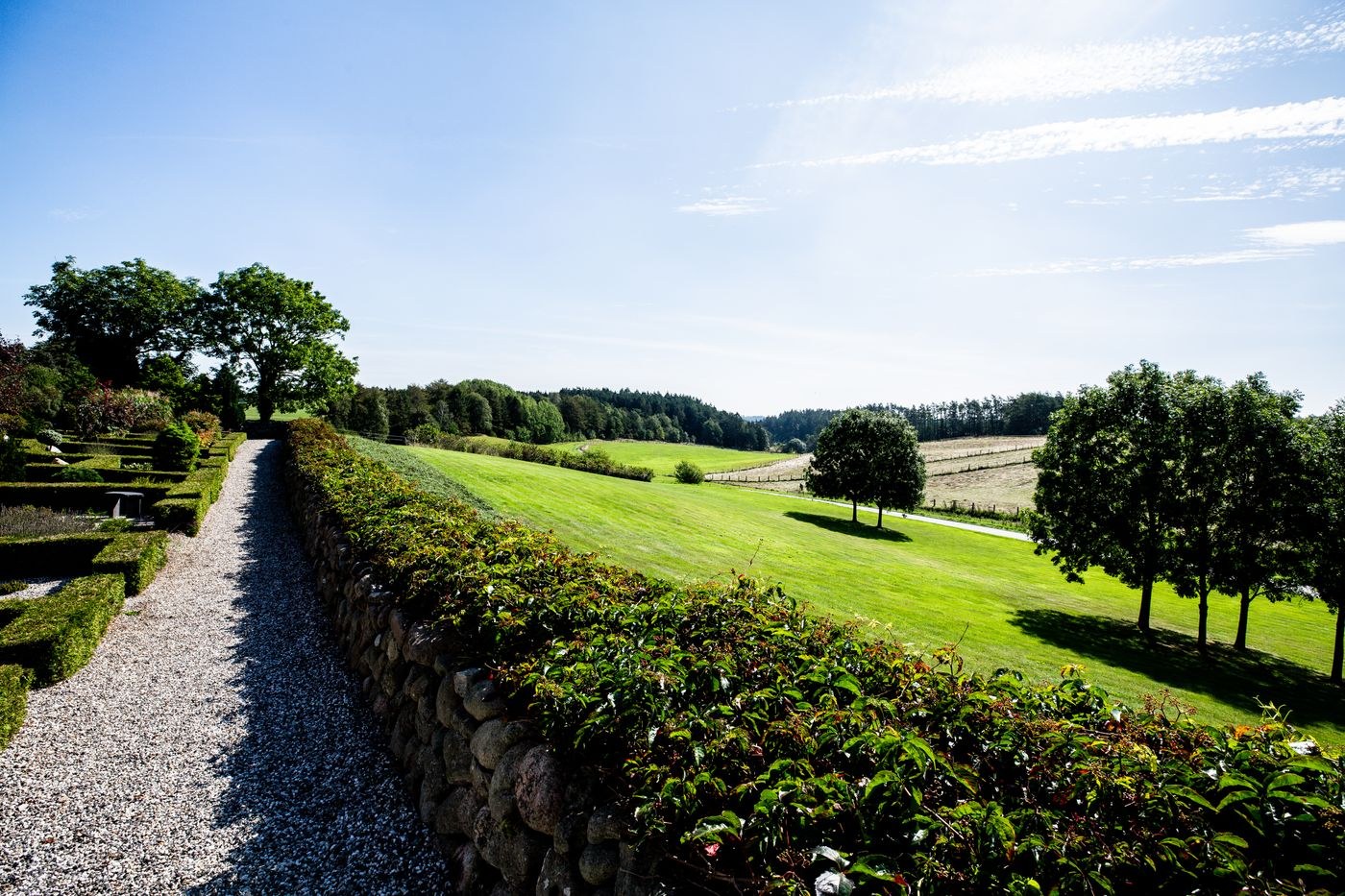
Photograph a garden as an arrangement of spaces, growth and human choices, then use individual flowers as details within that story.
Photographing outside
Without leaves, a tree's branching structure becomes visible. Separate that structure from the background before searching for dramatic light.
Photographing outside
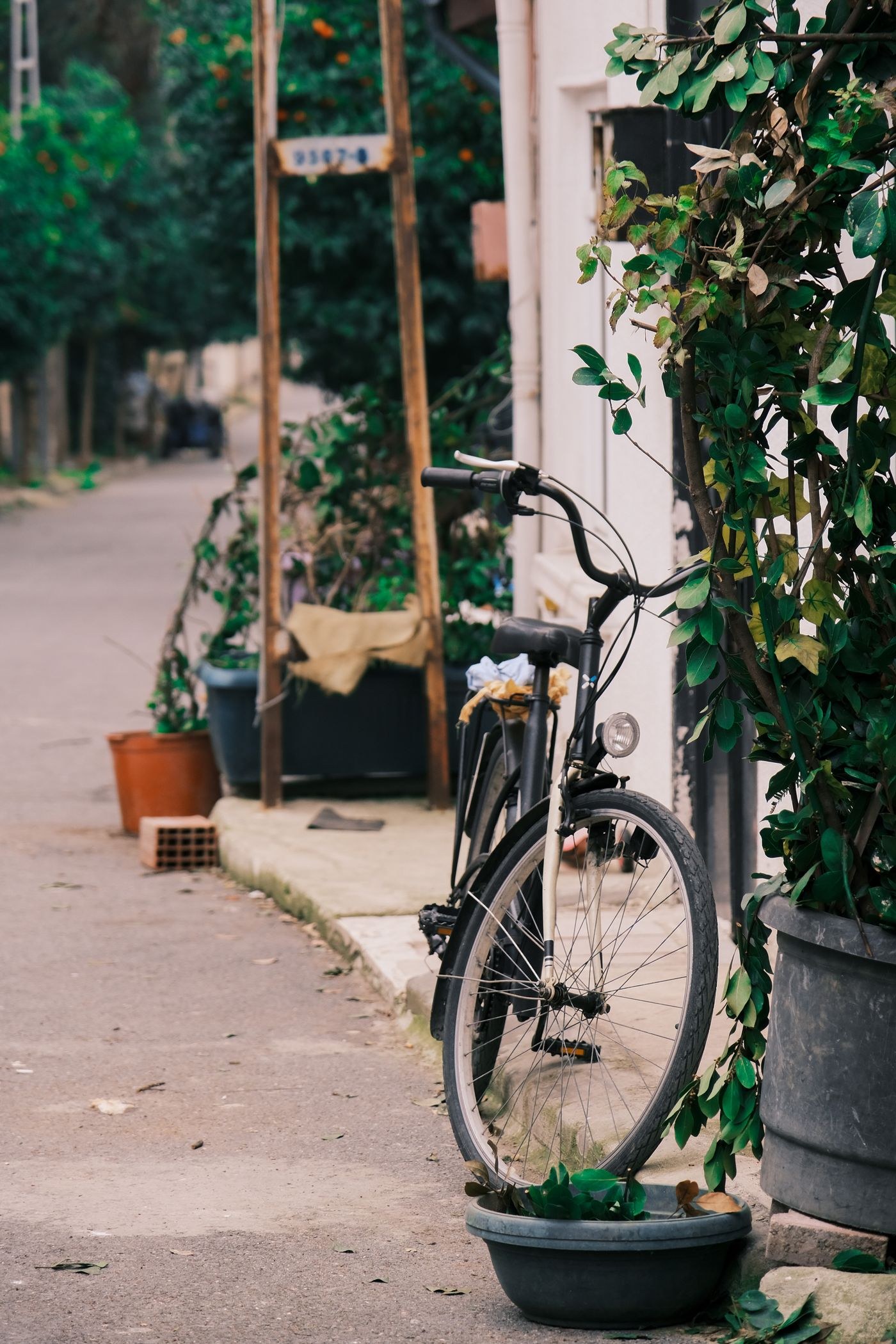
A parked bicycle can establish scale, use and colour within a location when it remains connected to its surroundings.
Photographing outside
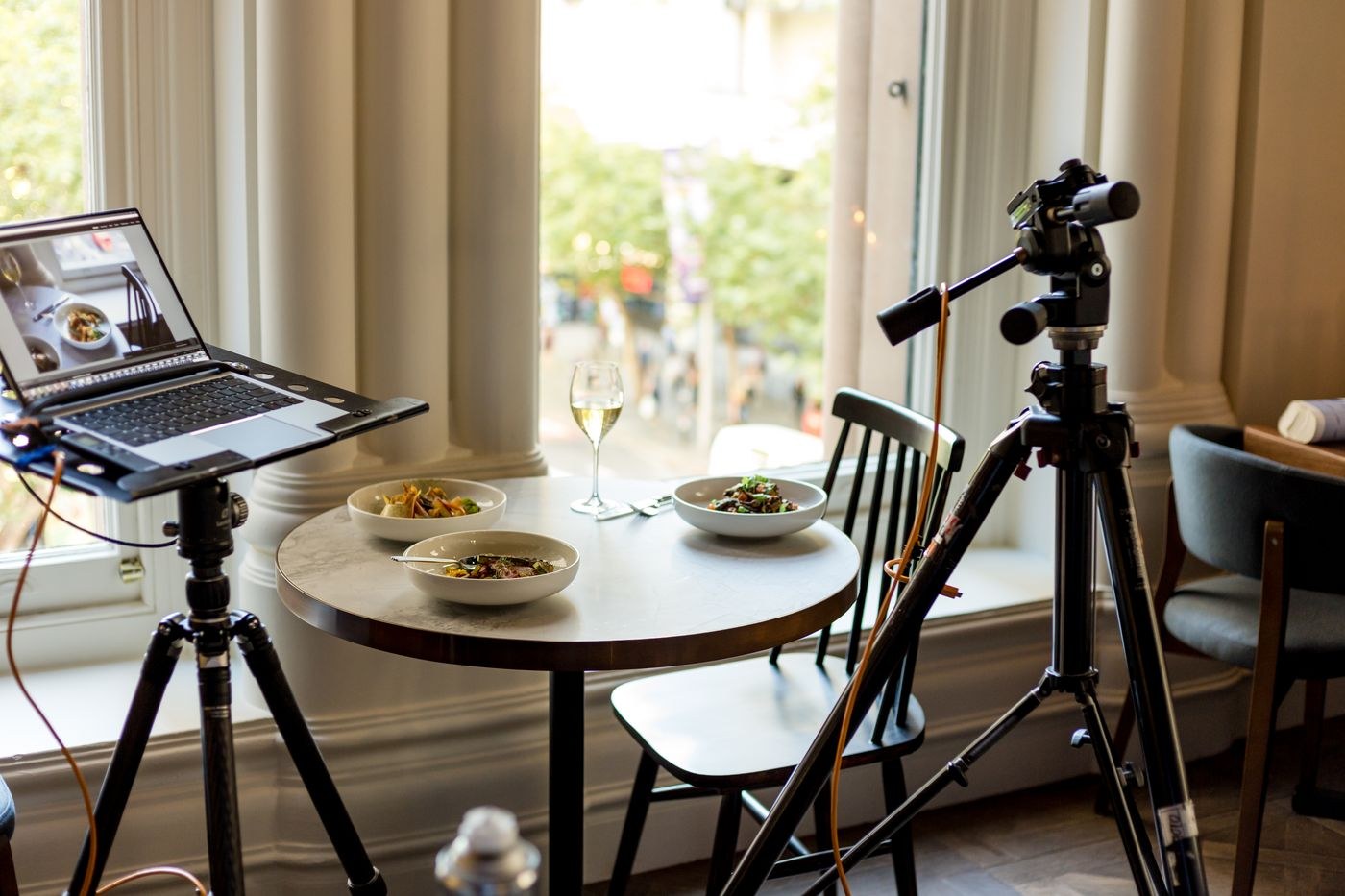
Prepare the frame before serving the food. Light, background and camera position can be settled while the plate is still empty.
Photographing outside
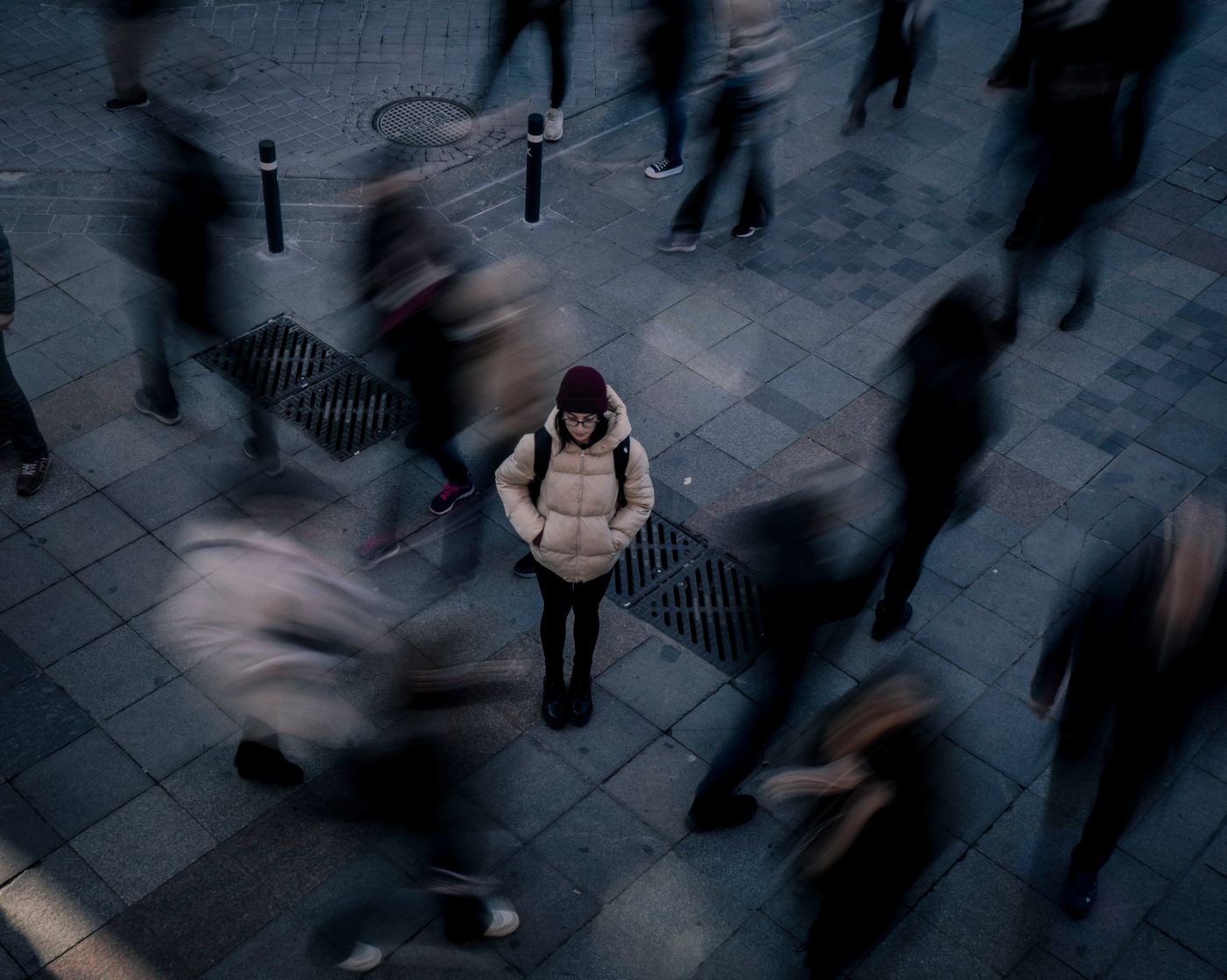
A quiet photograph can come from a busy location when the frame excludes competing actions and gives one element room to remain still.
Photographing outside
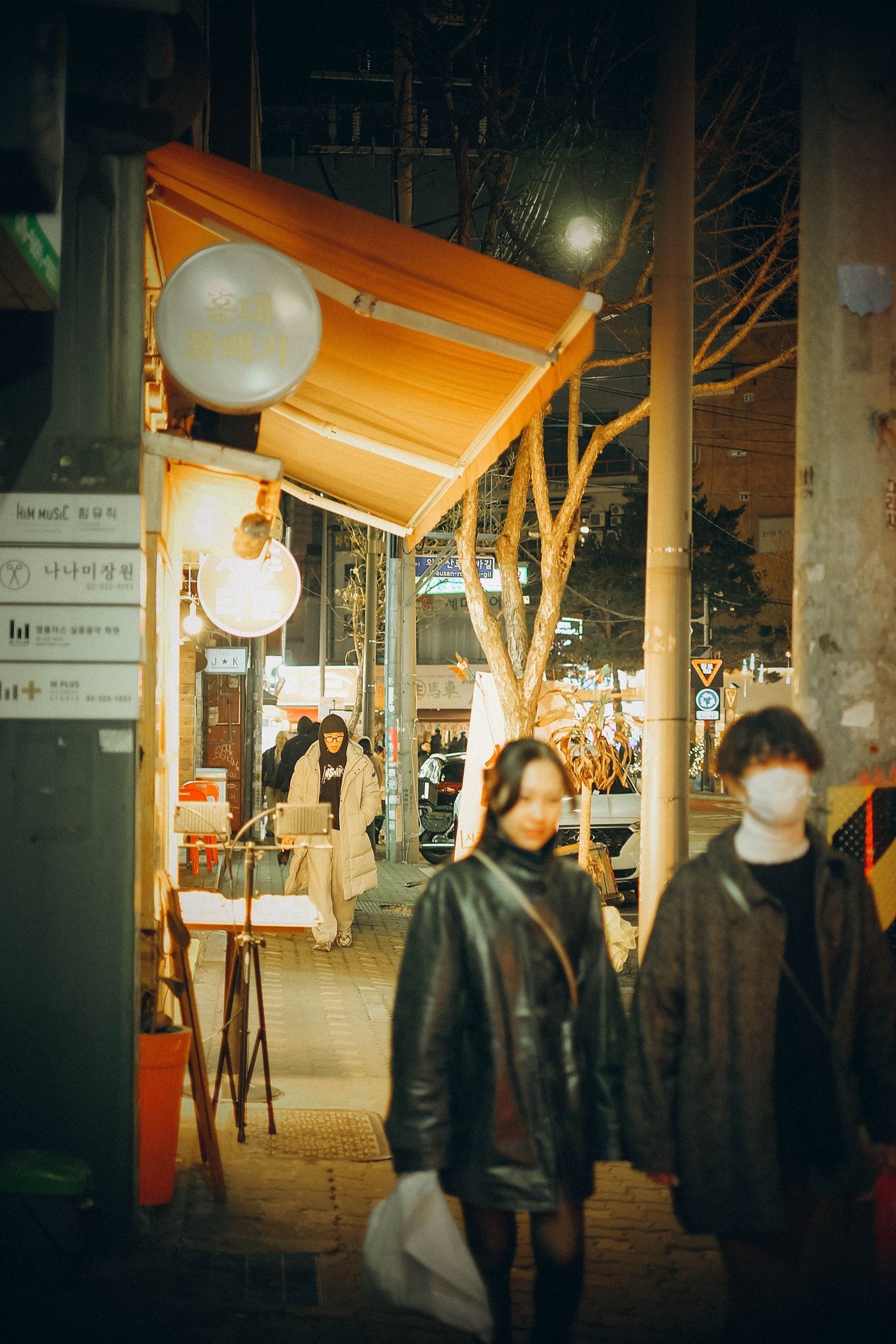
At night, choose the light source that will describe the subject before deciding how bright the entire street should look.
Photographing outside
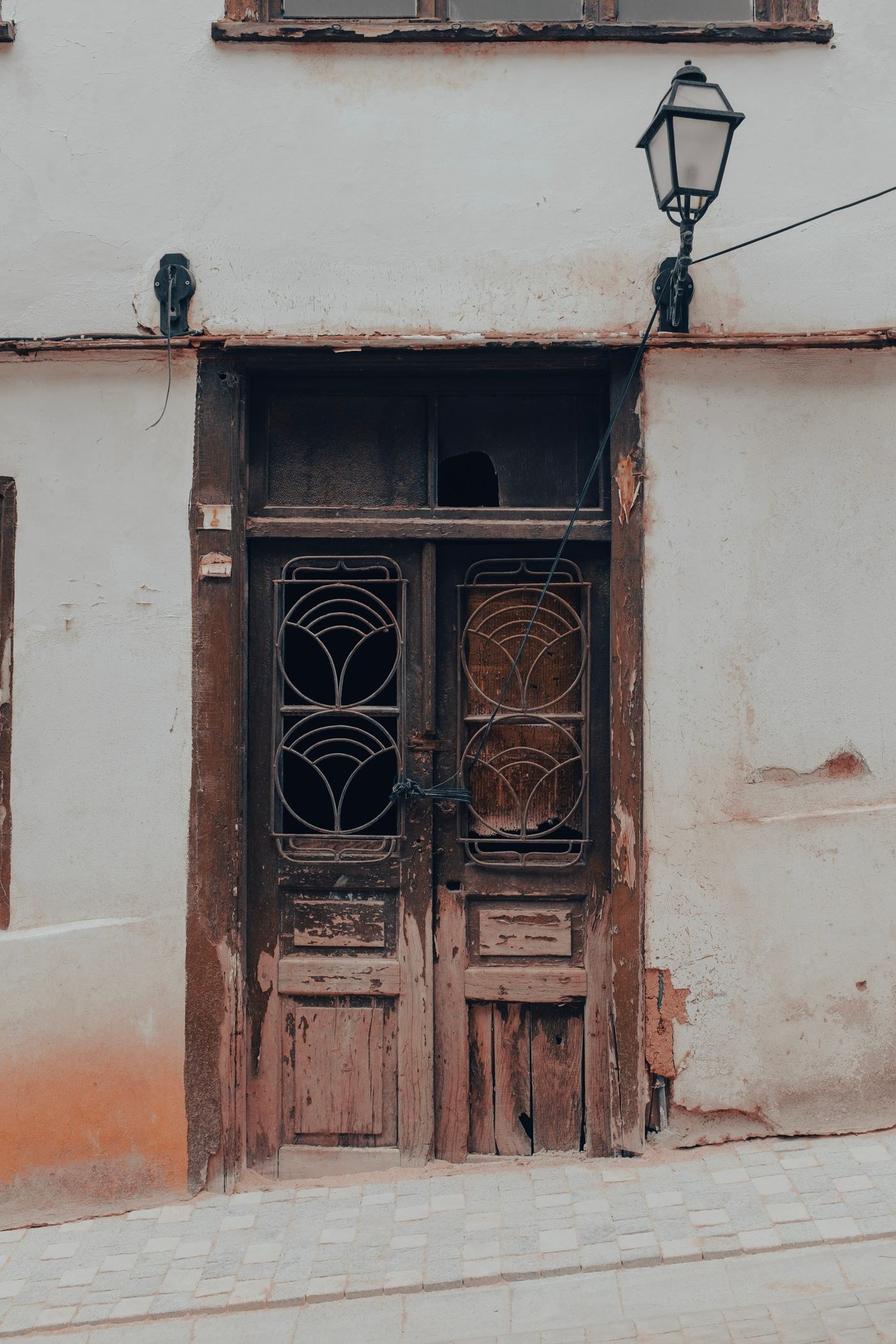
Doorways make a useful series when you define what connects them: proportion, material, colour or the transition between street and interior.
Photographing outside
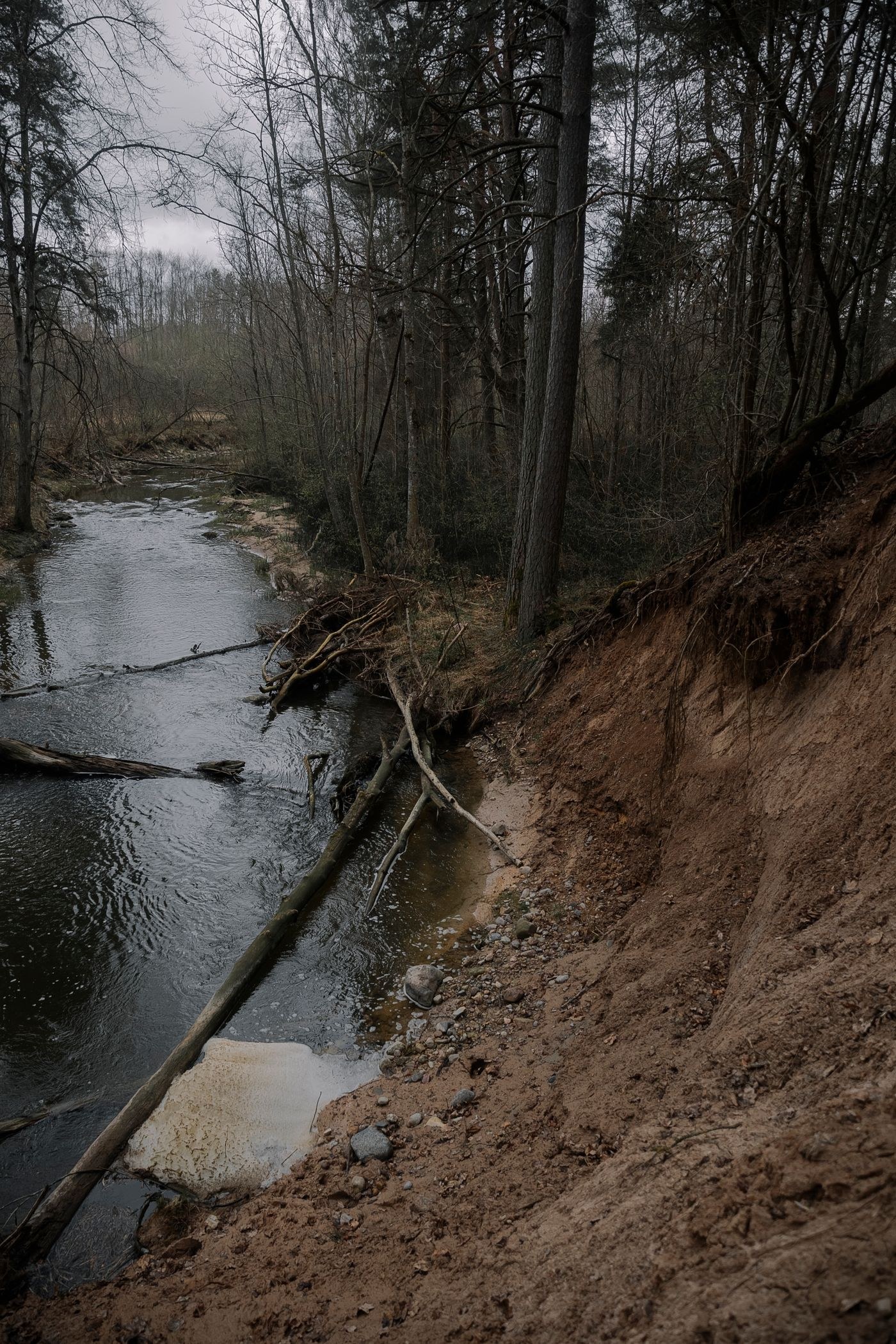
Changing distance along a riverbank can produce a connected set of photographs rather than several versions of the same wide view.
Photographing outside
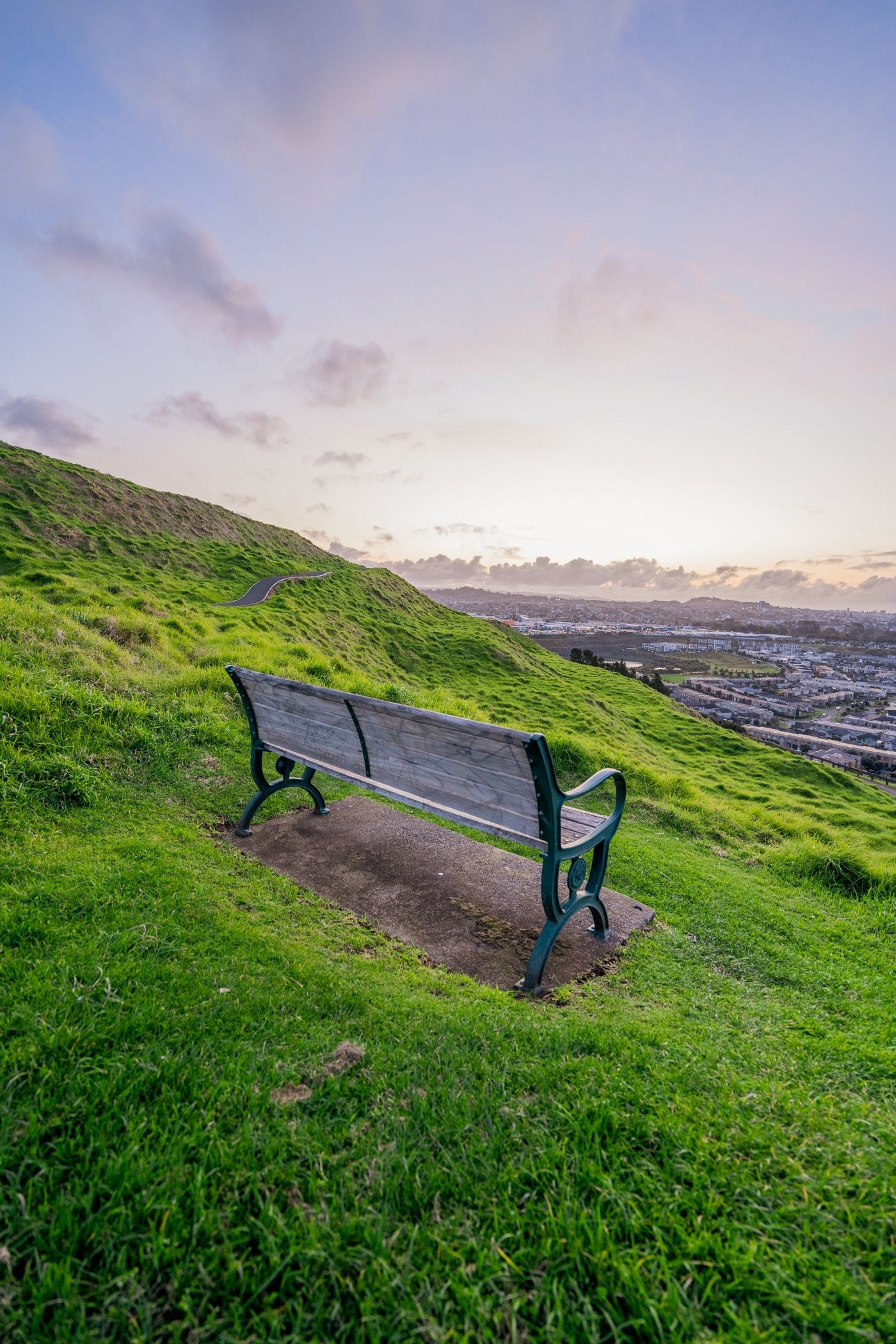
A bench gives the eye a familiar size reference, but its placement must support the landscape rather than merely occupy the foreground.
Photographing outside
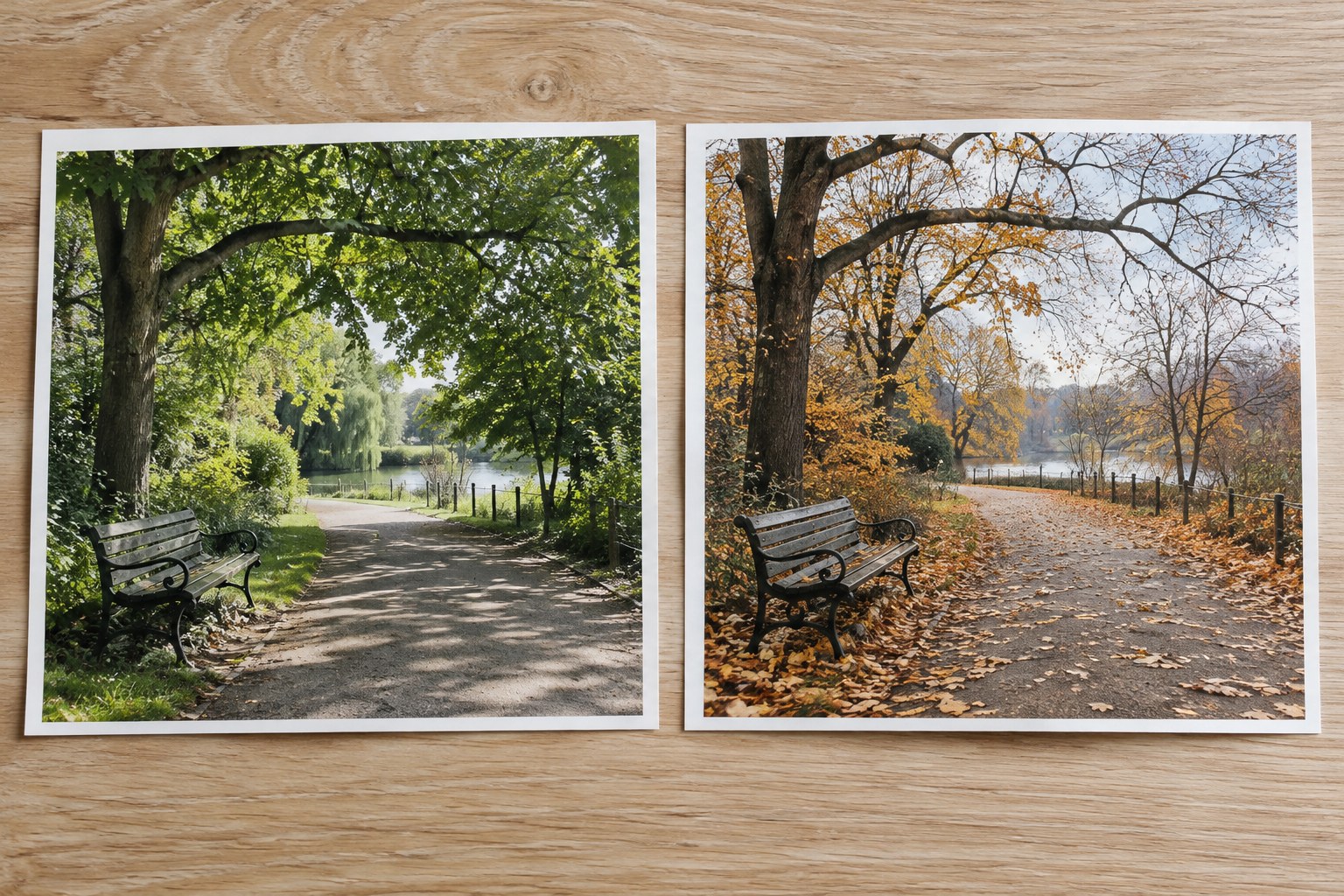
Repeat a viewpoint carefully enough to reveal seasonal change, while leaving room for the differences each visit actually presents.
Photographing outside
A phone works well for travel when you treat viewpoint, light and timing as photographic decisions rather than relying on automatic enhancement.
Photographing outside
A short outing becomes more productive when one accessible location offers several photographic questions rather than a long list of stops.
Photographing outside
The surroundings of a handmade object can explain its material and use, provided they remain subordinate to the object itself.
Photographing outside
A closing image should resolve the visual rhythm of a travel series, not merely show the last thing photographed on the trip.
No matching articles. Change the search or clear the selection.