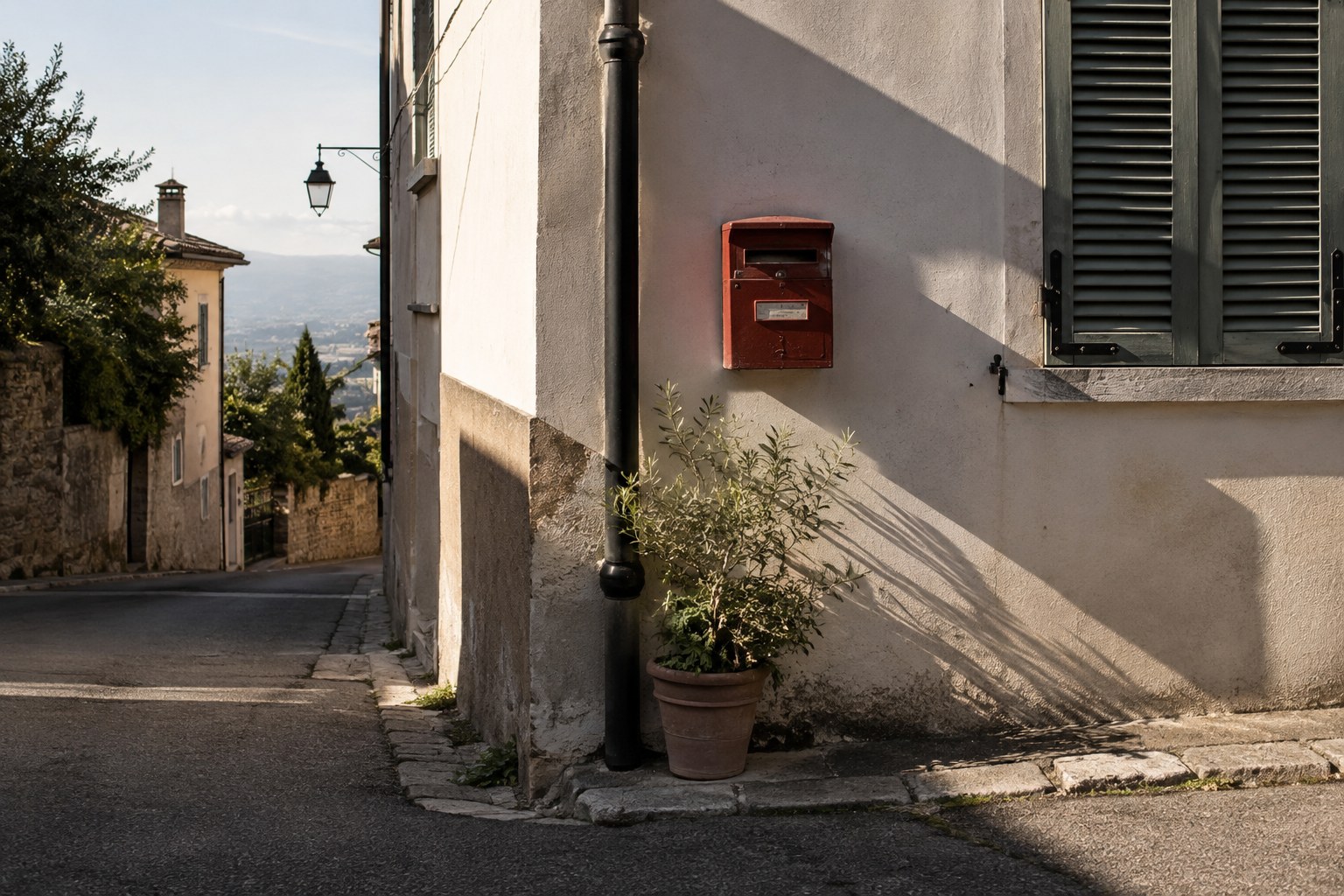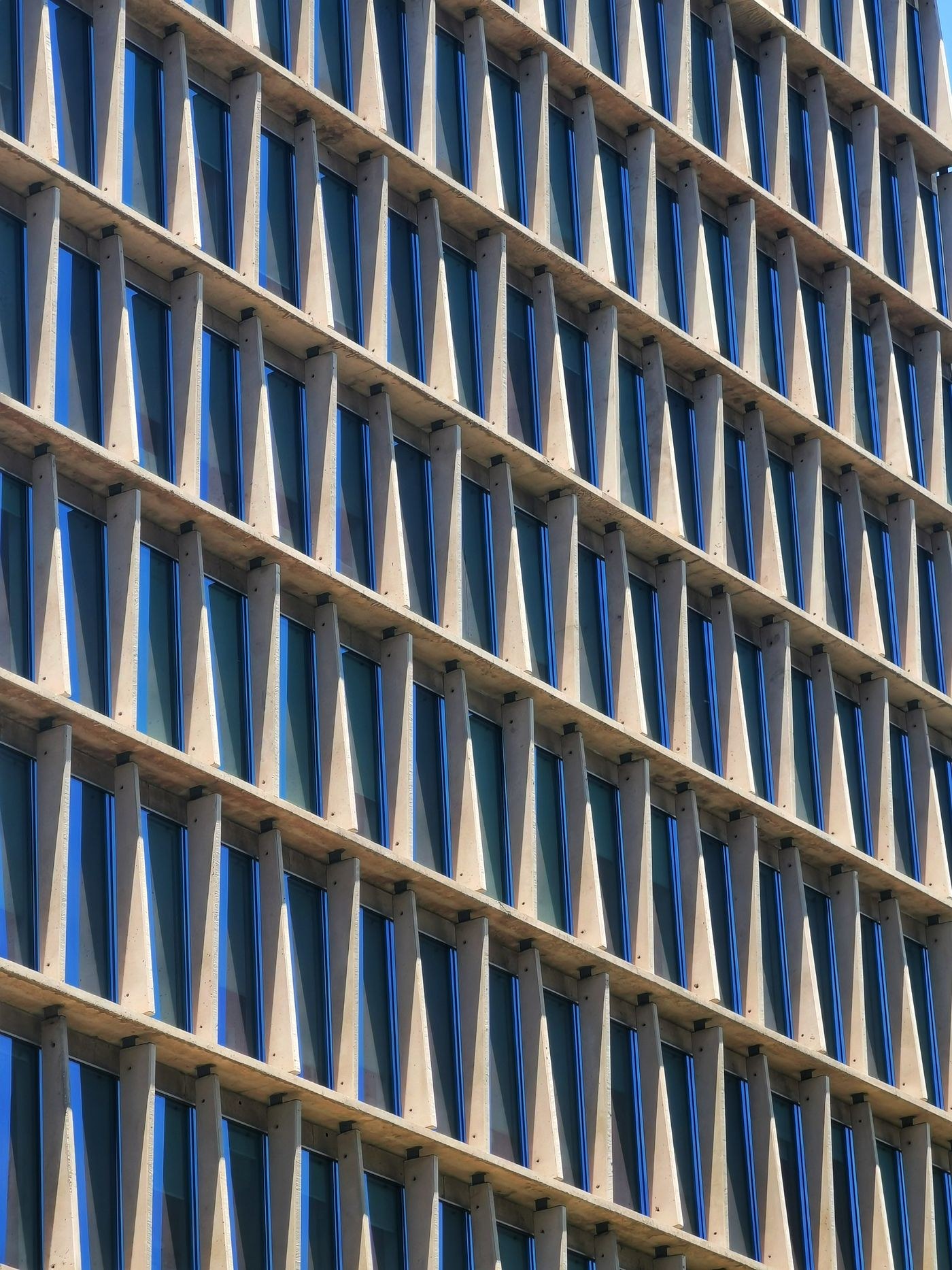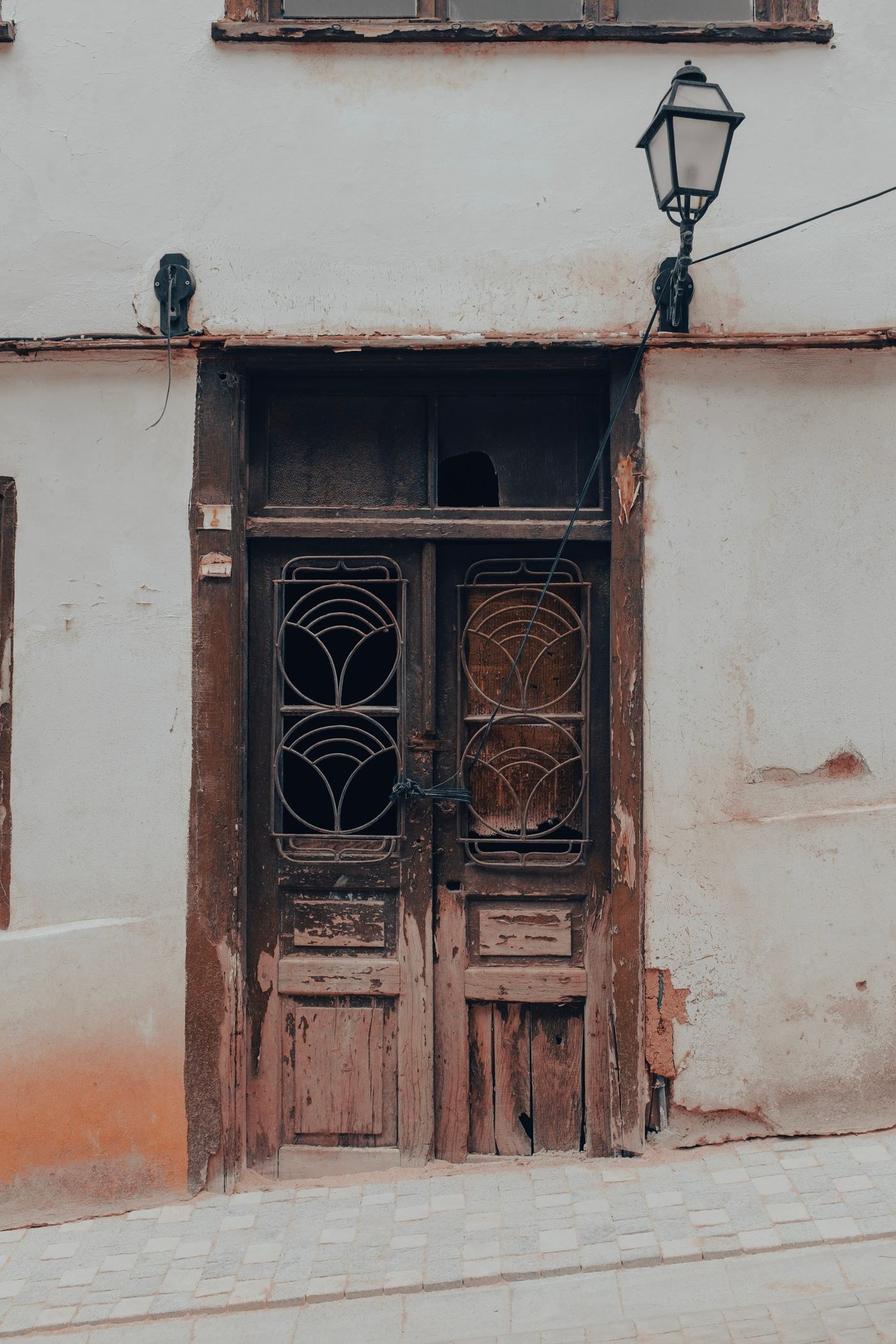
Choose a narrow premise before collecting pictures. You might compare recessed entrances, painted wooden doors or the way plants frame thresholds. This keeps the series from becoming an arbitrary list of doors encountered on a walk. The premise can change after the first few photographs if the location suggests a more coherent subject.
Set a consistent relationship between camera and doorway. A mostly frontal view makes differences in proportion easier to compare. An angled view may reveal depth and the approach from the street. Either can work, but alternating them without purpose can make the series feel unsettled. Keep enough surrounding wall or pavement to explain the entrance's position.
Notice what interrupts repetition
Letterboxes, worn steps, curtains, handles and small repairs can distinguish otherwise similar entrances. Decide whether those details belong inside each whole-door photograph or deserve a separate close view. Avoid including readable personal information unnecessarily, and do not enter private thresholds or block access while composing.
Check vertical alignment and camera height. A slight upward tilt can make the top of every door narrow, creating an unintended pattern. If a neutral comparison is the goal, work as level as the location permits and leave room for modest correction. Do not force identical cropping when one entrance needs additional context to remain understandable.
Light should support the comparison without erasing genuine variation. A door in deep shade and another in direct sun may need different exposures, but avoid processing them into artificially identical surfaces. Keep material differences visible: glossy paint, rough wood and stone should not all acquire the same contrast and texture.
Arrange a small set in sequence and look at the spaces between images. Alternate broad and narrow forms or allow colour to progress gradually if those relationships emerge naturally. Remove repeated examples that add no new information. A closing detail, such as a worn handle, can shift the series from façades to use, provided it follows from the preceding pictures. Keep captions factual; an old-looking door does not establish the age or history of the building.