An archive note is not a diary of every editing session. It is an explanation of what another person—or your future self—needs to know before using the collection. Put it in a predictable place near the top of the archive and use a format that does not depend on the photo application remaining available.
Begin with the scope. Name the project or collection, its approximate dates and what is included. State known exclusions plainly. If a folder contains selected photographs rather than the whole shoot, say so. This prevents someone from treating the absence of an image as evidence that it was never made.
Describe the main folders by purpose. Identify originals, working projects, exports and any separate caption or metadata file. Explain which application is needed for editable work and whether source images are stored elsewhere. Use actual folder names in the note so the description can be followed without guessing.
Record the exceptions
The unusual cases often matter most: a missing original, an uncertain date, a drive that must be connected or a finished image whose editing project no longer exists. Keep these notes factual. “Original not found during review on this date” is different from “original permanently lost.” Do not make the record more certain than the evidence.
Add the current backup arrangement without including passwords or recovery secrets in an ordinary text file. State which location holds the working copy and where a separate backup is expected. If a restore has been tested, note the date and scope of that test rather than claiming the whole collection is guaranteed safe.
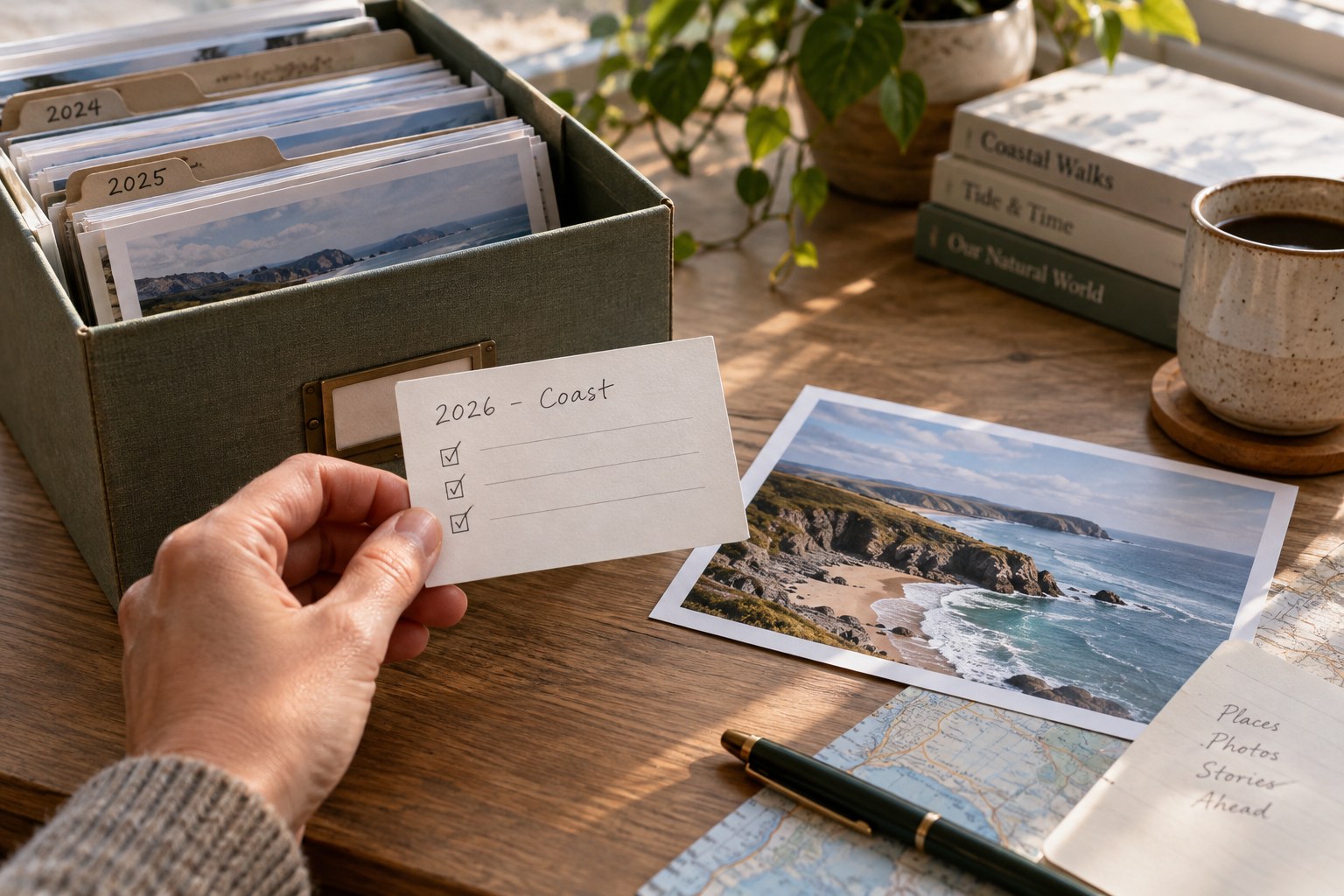
Include a short next-action section only if work remains. Two specific tasks are more useful than an ambitious list that will never be maintained. For example, “identify people in folder reunion” gives a future session somewhere to start.
Date the note and update it when the structure changes. Keep old decisions only when they explain a current feature or unresolved issue. A readable page that reflects the archive is better than a long document full of obsolete paths. The test is simple: could someone find an original, understand a finished version and recognise the main limitations without asking you to reconstruct the history aloud?