Battery planning begins with a realistic day, not only a published frame count. Long periods of live view, video recording, wireless transfers, cold conditions and frequent image review can change consumption. Think about how long the camera will remain active and whether you will have a genuine opportunity to recharge. A short lunch stop without a suitable outlet is not a dependable charging plan.
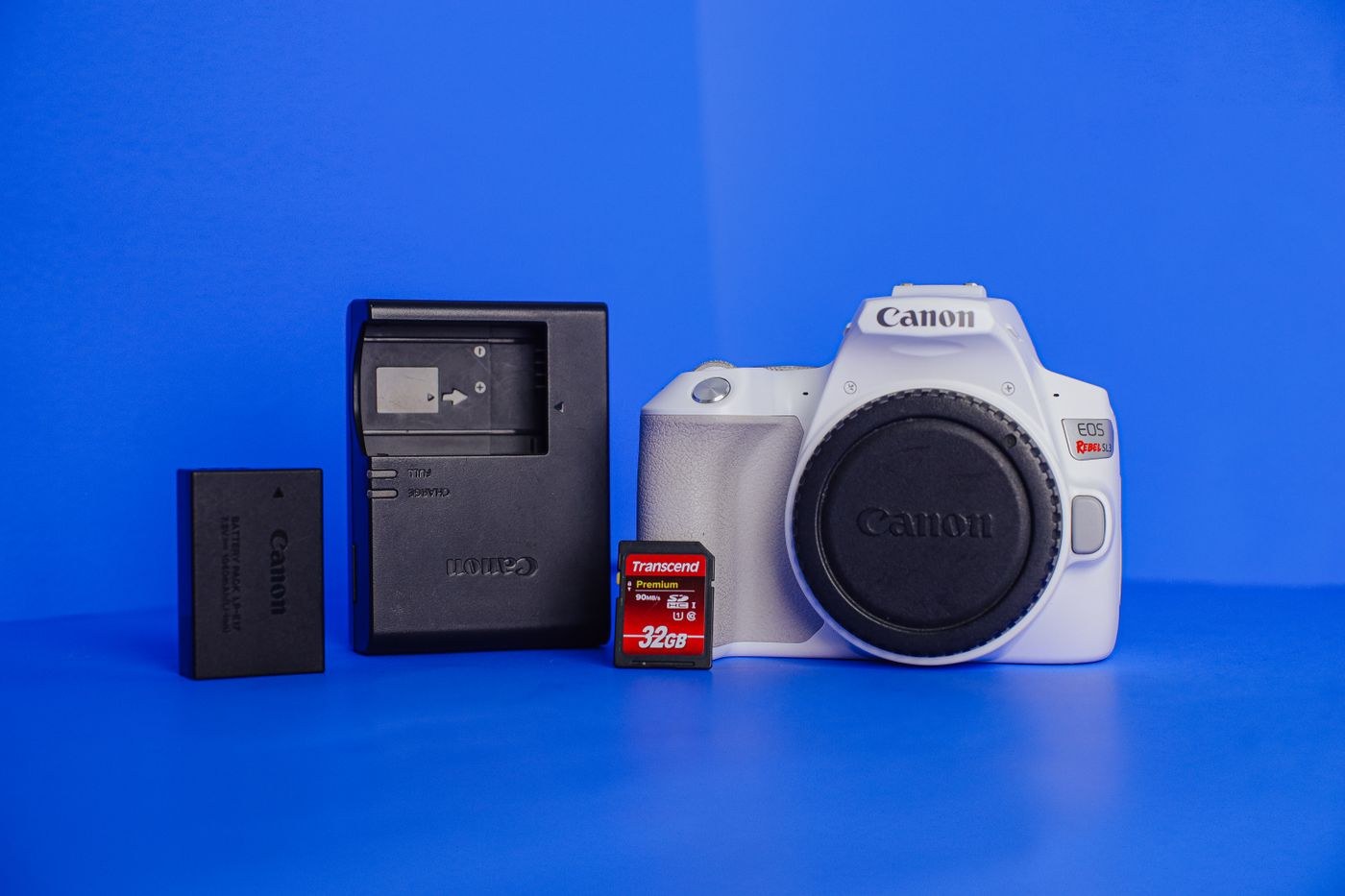
Start with batteries approved for the equipment and check their condition. Do not use a swollen, damaged or unusually hot battery. Charge according to the manufacturer's instructions before departure, then confirm the camera recognises each pack. A battery that sat in a drawer for months should not be assumed full because it was charged once.
Keep a simple distinction between charged and used packs. Separate pockets or a consistent orientation in a protective case can work, provided the method is obvious to you. Protect exposed contacts from keys, coins and other conductive objects. Do not carry loose batteries where their terminals can touch metal.
For a long day, check charge during natural pauses rather than waiting for the camera to stop in the middle of a sequence. Replace a low pack before a period when access will be difficult. Keep the used one marked so it does not return to the ready pocket. The aim is a predictable routine, not constant monitoring of every percentage point.
In cold weather, battery performance may decline temporarily. Carry a spare in a suitable inner pocket protected from moisture and metal objects, and follow the maker's temperature guidance for use and charging. Do not heat a battery aggressively. A pack that appears depleted in the cold may recover some capacity when it returns to an appropriate temperature.
If charging by USB or from a power bank, verify that the camera supports the intended operation and that the cable and supply meet its requirements. Some combinations charge only when the camera is off, and some do not support every power source. Test the complete setup at home rather than discovering a mismatch on location.
Reduce unnecessary consumption where it does not interfere with photography: use sensible standby settings, stop unneeded wireless connections and avoid leaving long reviews running. Do not disable functions you rely on merely to chase a theoretical maximum. After the outing, note how much power the actual workflow used. That record is more useful for the next similar day than a generic estimate alone.