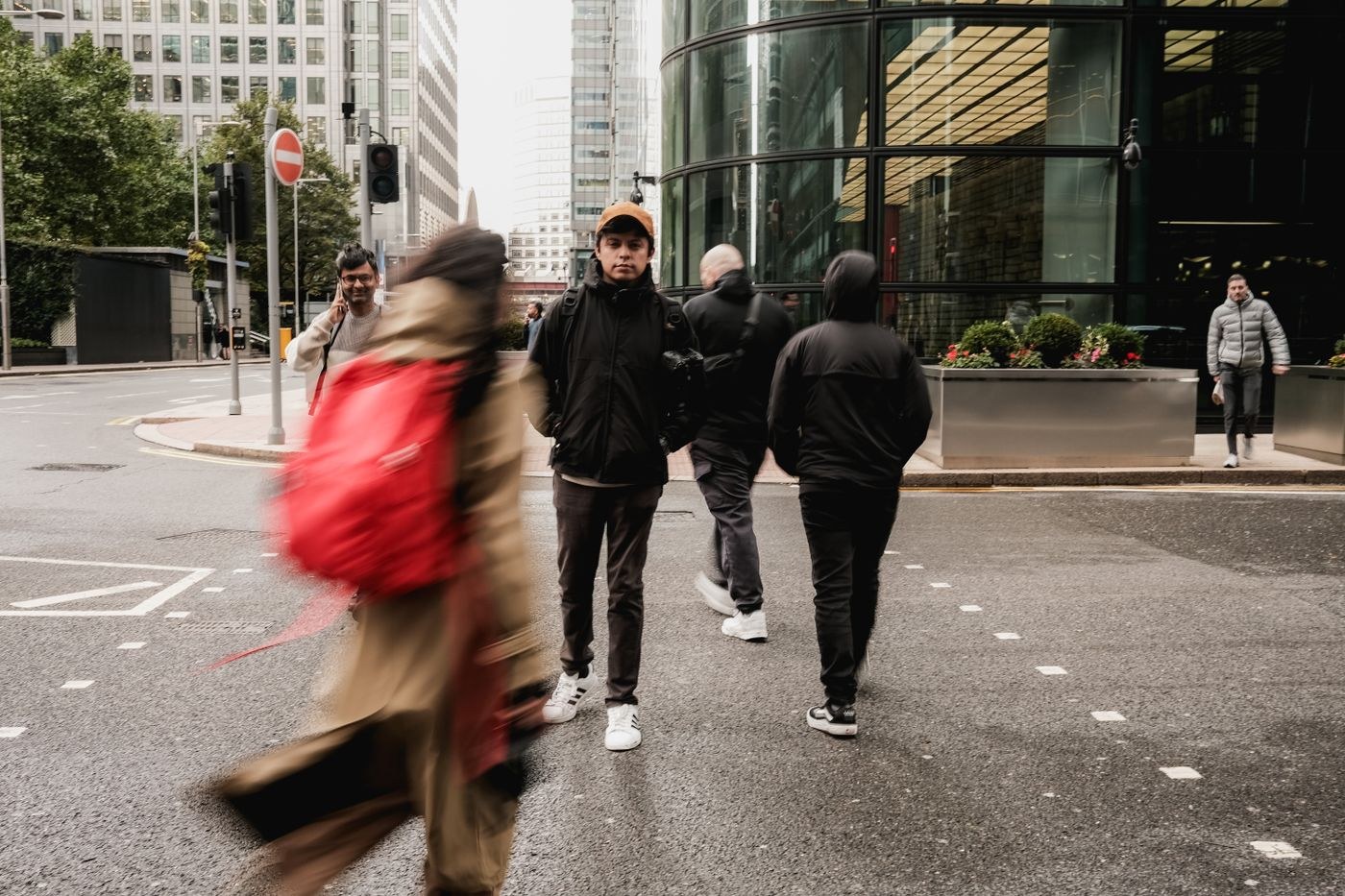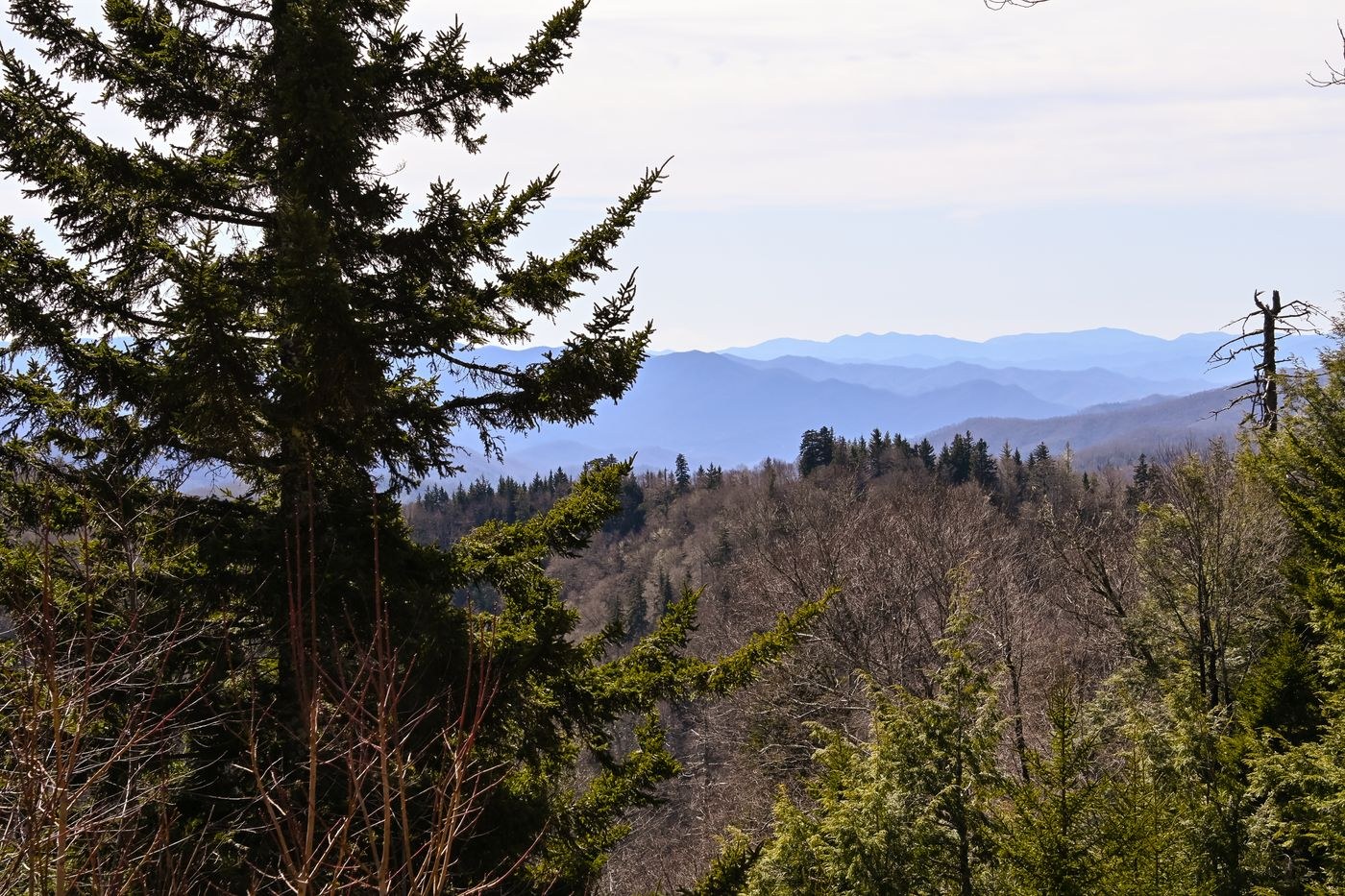
A rock, patch of reeds or low branch can connect the viewer to a distant landscape. It gives the eye a nearby reference before it travels towards the horizon. But adding a foreground object simply because the frame feels empty can produce a picture with two unrelated subjects. Look for a relationship in shape, direction, colour or story.
A curved shoreline can lead from a nearby stone towards a distant headland. A cluster of reeds may repeat the vertical rhythm of trees farther away. These connections matter more than the size of the foreground. If the near object is large and dark, it may dominate even when your intention was to show the mountain behind it.
Build a route through the frame
Move sideways and change camera height before changing lenses. A small movement can open a gap between foreground and middle distance, allowing the viewer to understand how the spaces connect. Watch for tangencies where a branch ends exactly on a mountain edge or a stone hides the only visible part of a path. Separate important forms rather than relying on colour alone.
A wide lens can exaggerate the near object's size when used close to it. That can be useful, but inspect the edges for stretched shapes and distracting empty ground. Step back if the foreground becomes the whole picture. You may find that a slightly longer focal length from farther away gives a more balanced relationship without losing the sense of depth.
Check focus requirements after the composition works. A very close foreground and a distant background may not both appear sharp at a convenient aperture. Move the foreground farther from the lens, accept selective focus or consider a carefully made focus stack for a stationary scene. Wind-driven leaves and water complicate stacking, so do not assume software will solve every depth problem.
Light can separate layers as effectively as sharpness. A shaded foreground against a brighter middle distance may give a clear progression, while equally dark overlapping forms merge. Wait for a change in light or adjust your position if the layers remain difficult to read. Avoid heavy local editing that creates bright outlines around every object.
Make a second frame without the foreground. The comparison reveals whether the added layer improves the landscape or merely demonstrates depth. Keep the version that gives the eye a meaningful route. A simple distant view can be stronger than a complicated arrangement in which the foreground has no clear reason to exist.